
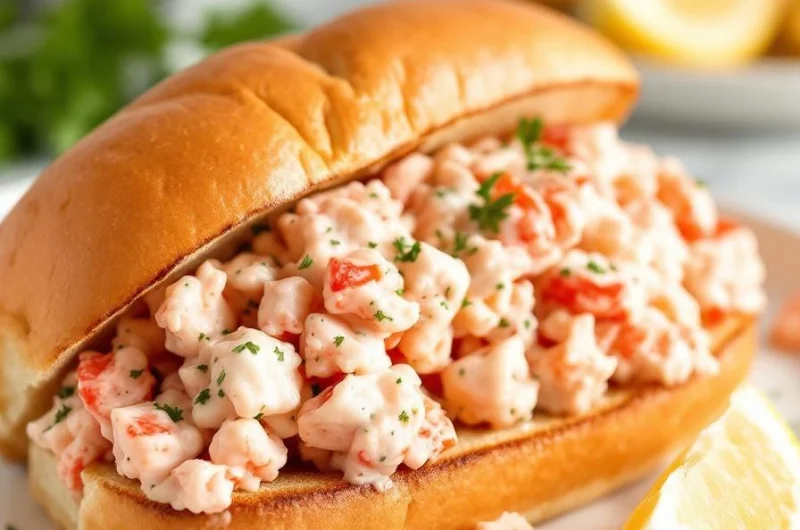
Making a lobster roll starts with boiling a lobster—watch for the rapid boil and that first crack as it opens up. You’ll need to crack open the claws and tail, and then carefully remove the tender meat without tearing it apart.
Next, mix the lobster meat with a simple dressing—mayonnaise, a squeeze of lemon, a pinch of salt—and then stuff it into toasted buns. Handling the buns while still warm gives that perfect crunch with each bite, no fluff about it.
the crack of the toasted bun as you bite in, revealing the juicy lobster and creamy dressing inside
Key ingredients for a perfect lobster roll
- Lobster: I prefer live lobsters for that fresh, oceanic smell and firm meat—skip frozen if you can. The sweet, briny aroma when you crack the shell is unbeatable.
- Buns: Toasted brioche or hot dog rolls work—choose what feels sturdy but tender. Toast lightly to get that crisp bite that holds up against the juicy lobster.
- Mayonnaise: Go for a good-quality, tangy mayo. If you want a richer flavor, a touch of sour cream adds creaminess without dulling the seafood’s brightness.
- Lemon: Fresh lemon juice brightens everything—skip pre-squeezed stuff, the real juice gives a zesty punch that lifts the lobster’s sweetness.
- Herbs: Chopped chives or parsley add fresh bite—use sparingly if you want the lobster flavor to shine, or skip for a cleaner profile.
- Butter: A little melted butter brushed on buns before toasting adds richness and that irresistible aroma—don’t drown the bread, just a light coating.
- Salt & Pepper: Season the lobster mixture lightly—sometimes just a pinch of flaky sea salt and fresh cracked pepper make all the difference in flavor depth.
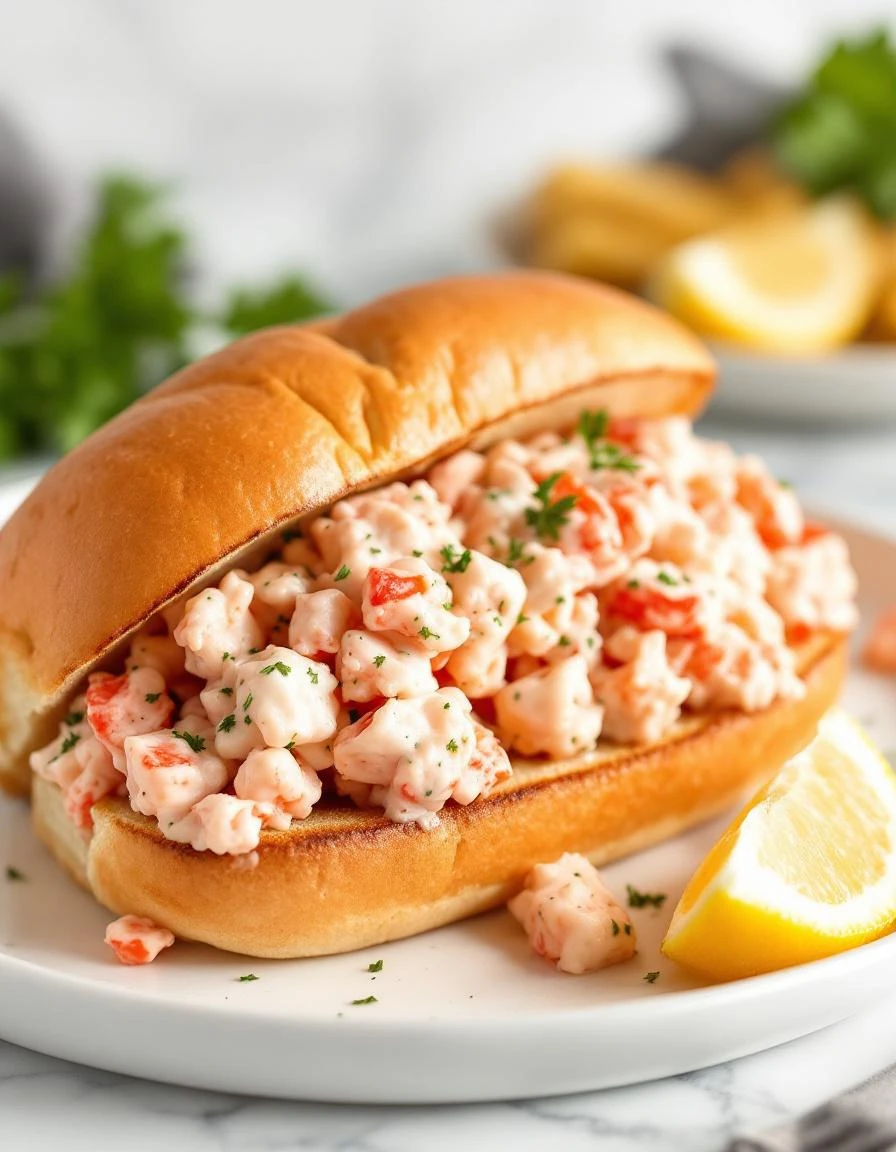
Classic Lobster Roll
Ingredients
Equipment
Method
- Bring a large pot of salted water to a rolling boil, then carefully add the live lobsters. Cover and cook for about 8-10 minutes until shells turn bright red and meat is firm, emitting a fresh ocean aroma.
- Once cooked, transfer the lobsters to a cutting board and let them cool slightly. Use tongs to handle them carefully.
- Crack open the lobster shells using a sharp knife or lobster cracker, then gently remove the lobster meat from claws, tail, and body. Be careful to avoid tearing the meat and discard any tomalley or inedible parts.
- Chop the lobster meat into bite-sized pieces and place them in a mixing bowl. Add mayonnaise, a squeeze of fresh lemon juice, a pinch of salt, and pepper. Mix gently until the lobster is coated evenly, adjusting seasoning to taste.
- While preparing the lobster, split the buns and lightly brush the cut sides with melted butter. Toast them until golden and crispy, either in a toaster or skillet, then set aside.
- Fill each toasted bun generously with the lobster mixture, pressing gently to pack the filling in. Top with chopped chives or parsley if desired for a fresh finish.
- Serve immediately to enjoy the contrast of the crispy bun and juicy, creamy lobster filling, with the crack of the toasted bread enhancing every bite.
Notes
Common Mistakes and How to Fix Them
- FORGOT to remove the lobster tomalley—adds bitterness, so discard or use sparingly.
- DUMPED too much mayo—lighten the dressing to keep lobster flavor front and center.
- OVER-TORCHED the bun—toast just until golden for that perfect crunch without burning.
- MISSED seasoning—taste the lobster meat before assembling, adjust salt and lemon accordingly.
Make-Ahead and Storage Tips
- Cooked lobster meat can be kept in the fridge for up to 2 days—store it in an airtight container to preserve freshness.
- Prepare the lobster dressing ahead—mix mayo, lemon, and seasoning, then refrigerate for up to 24 hours without losing brightness.
- Toast buns ahead of time; keep them in a paper bag to maintain crispness, and rewarm quickly just before serving.
- Assemble the lobster salad a few hours in advance—store separately and combine just before stuffing buns to keep textures intact.
- Reheat lobster mixture gently in the microwave or on low heat, watching for overheated, rubbery texture—smell for a fresh ocean aroma.
- Freezing lobster is not recommended; fresh or refrigerated is best for flavor and texture, especially for the crunch in your roll.
FAQs
1. How can I tell if lobster is fresh?
Look for lobster with a fresh ocean smell and firm, glossy shell. The meat should be plump and tender, not slimy or discolored.
2. What’s the best way to handle lobster raw?
Use cold, fresh lobster, and handle it gently. The meat should feel firm and spring back when pressed, with a sweet aroma.
3. How do I know when lobster is cooked?
Cook lobster in boiling salted water until shells turn bright red and the meat is opaque—about 8-10 minutes for a 1.5-pound lobster.
4. How should I toast the buns?
Toast buns until golden and crispy, then brush lightly with butter. The crunch should give way to a warm, tender interior with a slight buttery aroma.
5. Can I make lobster rolls in advance?
Serve lobster rolls immediately for best crunch and freshness. If needed, store lobster meat separately and reassemble just before eating, reheating gently to avoid rubberiness.

Hi there! I’m Himani and welcome to Val’s Recipe Box. This little corner of the internet didn’t begin with me. It began with Val my neighbourhood aunt whose kitchen held more warmth than any fireplace ever could.


 This little corner of the internet didn’t begin with me.
It began with Val my neighbourhood aunt whose kitchen held more warmth than any fireplace ever could.
She was more of a friend and I’ve come to know her in the most unexpected way.
This little corner of the internet didn’t begin with me.
It began with Val my neighbourhood aunt whose kitchen held more warmth than any fireplace ever could.
She was more of a friend and I’ve come to know her in the most unexpected way.