
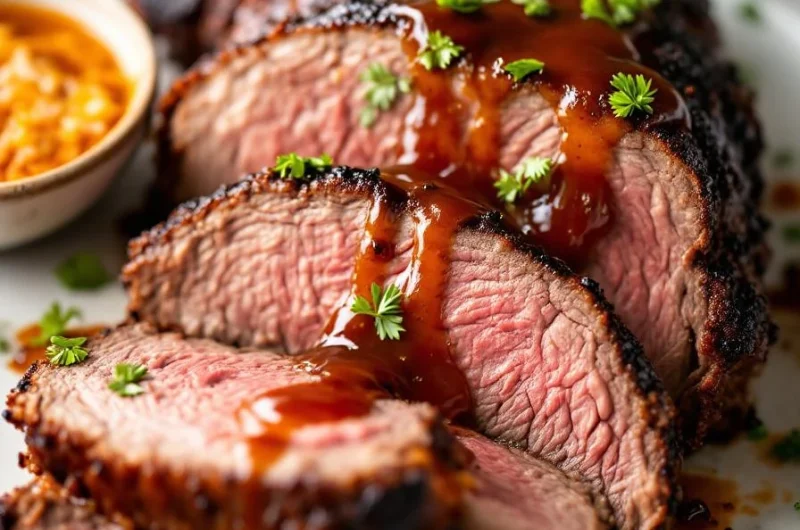
Getting a good smoke on a brisket isn’t just about setting up the smoker and walking away. It’s about tending the fire, spraying the meat, and keeping an eye on the bark that forms—a thick, crackly crust that’s part of the process, not just the end.
You’ll spend hours with the meat in the heat, so having a plan for maintaining consistent temperature and moisture is key. It’s a slow dance of heat, smoke, and patience, with the payoff being that deep, smoky aroma that fills the kitchen as you wrap it up.
The crackle of the bark as you slice into the brisket, revealing a juicy, smoky interior that’s been kissed by hours of slow heat.
What goes into this dish
- Beef brisket: I look for a well-marbled, heavy piece—this fat renders down, keeping the meat juicy and flavorful. Skip the lean cuts; they dry out easily in the smoke.
- Wood chunks: I prefer hickory or oak for a bold, smoky punch—soaked in water for 30 minutes before adding to the coals. Feel free to swap with apple for a milder, fruity smoke.
- Rub spices: A simple mix of kosher salt, coarse black pepper, and paprika—these form a flavorful bark. Tweak with a touch of cayenne if you like a hint of heat, or skip for less spice.
- Apple cider vinegar: I spritz the brisket with this for a tangy brightness and to keep the bark moist. Lemon juice works too—just cut the acidity slightly to avoid overpowering the smoky flavor.
- Aluminum foil: Used for wrapping the brisket during the cook to retain moisture and speed up tenderness. You can replace with butcher paper if you prefer a crustier bark, but foil locks in more juice.
- Optional herbs: A sprig of thyme or rosemary can add subtle aromatics when wrapped—just a hint of herbal brightness that complements the smoky depth.
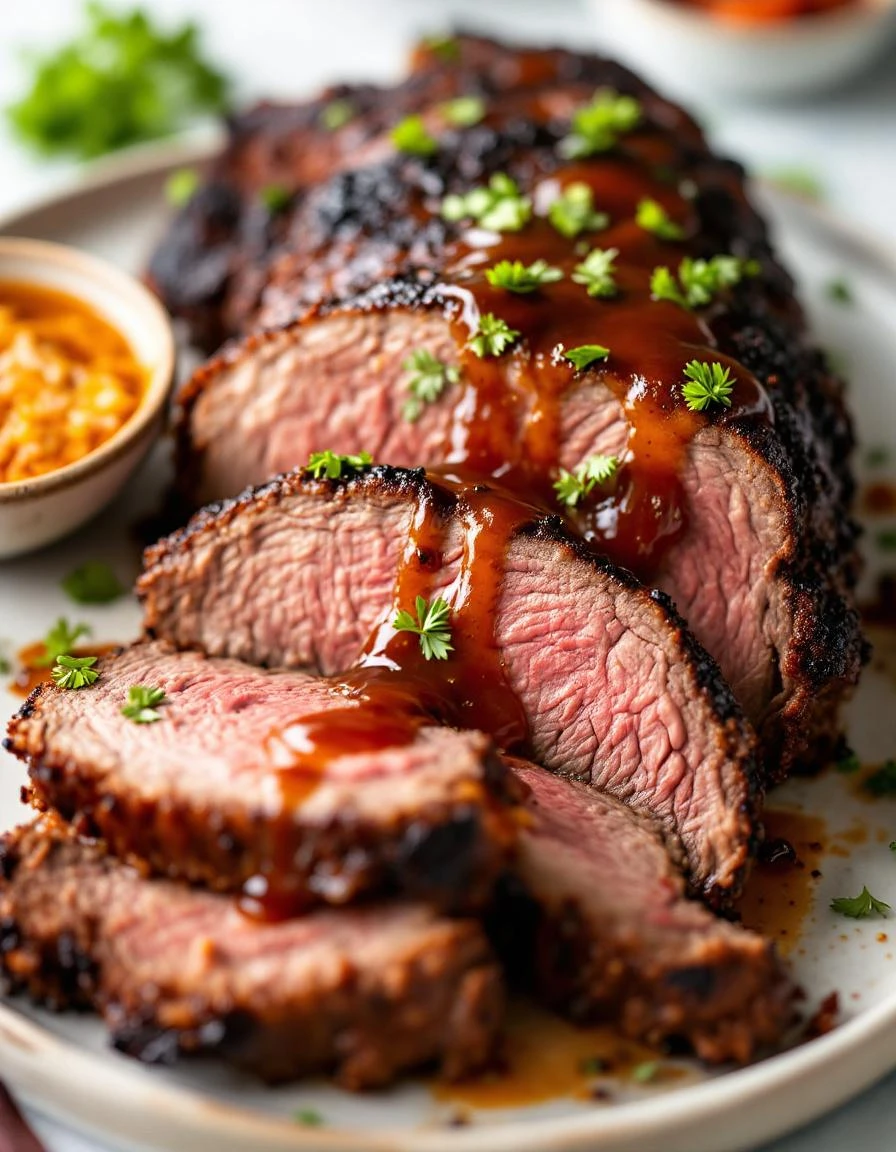
Smoked Beef Brisket
Ingredients
Equipment
Method
- Trim excess fat from the brisket, leaving a good layer to keep the meat moist during smoking.
- Mix salt, black pepper, and paprika to create a simple rub and generously apply it all over the brisket, pressing it into the meat.
- Wrap the seasoned brisket tightly in plastic wrap and refrigerate for at least 2 hours or overnight for deeper flavor.
- Preheat your smoker to a steady 225°F (107°C) and add soaked wood chunks directly onto the hot coals to generate smoke.
- Remove the brisket from the fridge and let it sit at room temperature for about 30 minutes to promote even cooking.
- Place the brisket fat side up on the smoker grate, inserting a meat thermometer into the thickest part of the meat.
- Maintain the smoker temperature around 225°F, periodically spritzing the brisket with apple cider vinegar to keep the bark moist and flavorful.
- Continue smoking for about 6 to 8 hours, or until the internal temperature reaches 195°F (90°C) and the bark is deep and crackly.
- Wrap the brisket in aluminum foil, optionally adding herbs for aromatic flavor, and let it rest for at least 30 minutes to allow juices to redistribute.
- Unwrap the brisket and slice against the grain, observing the beautiful bark and juicy interior as you carve.
- Serve the slices with the crispy bark, enjoying the deep smoky aroma and tender, flavorful meat.
Common Mistakes and How to Fix Them
- FORGOT to monitor the smoker temperature; fix by using a reliable thermometer from the start.
- DUMPED the marinade or rub; instead, apply it evenly and let it sit to develop flavor.
- OVER-TORCHED the bark; lower the heat or wrap sooner to prevent burning and bitterness.
- MISSED resting the brisket; let it rest at least 30 minutes for juices to redistribute properly.
Make-Ahead and Storage Tips
- You can prep the brisket the day before—apply the rub, wrap it tight, and chill overnight for deeper flavor penetration.
- Store cooked brisket in the fridge for up to 3 days, tightly wrapped or in a sealed container to keep it moist.
- For longer storage, freeze the sliced or whole brisket for up to 3 months; rewrap tightly to prevent freezer burn.
- Reheat slowly in a low oven or covered in foil, checking for a warm, juicy interior and a fragrant smoky aroma.
- The flavor intensifies after resting; reheating may deepen the smoky notes but can dampen the bark’s crispness if not careful.
FAQs
1. How should it smell when done?
Smoked brisket smells deeply smoky, with a rich, meaty aroma that fills the nose and lingers after slicing.
2. What texture indicates it’s ready?
The meat should feel tender but still hold its shape, with a slight resistance when pierced, and a crispy bark crackling under your fingers.
3. What flavors should I expect?
A good brisket has a deep, smoky flavor with hints of pepper, paprika, and a touch of sweetness from the rub, balanced by juicy, melt-in-your-mouth meat.
4. How do I reheat without losing moisture?
Reheat in a low oven or wrapped in foil, aiming for a warm, fragrant smoke aroma and moist, tender slices that resist dryness.
5. How do I avoid common cooking mistakes?
Use a quality thermometer to monitor smoker temp; too hot burns the bark, too cool prolongs cooking and can dry out the meat.

Hi there! I’m Himani and welcome to Val’s Recipe Box. This little corner of the internet didn’t begin with me. It began with Val my neighbourhood aunt whose kitchen held more warmth than any fireplace ever could.


 This little corner of the internet didn’t begin with me.
It began with Val my neighbourhood aunt whose kitchen held more warmth than any fireplace ever could.
She was more of a friend and I’ve come to know her in the most unexpected way.
This little corner of the internet didn’t begin with me.
It began with Val my neighbourhood aunt whose kitchen held more warmth than any fireplace ever could.
She was more of a friend and I’ve come to know her in the most unexpected way.