
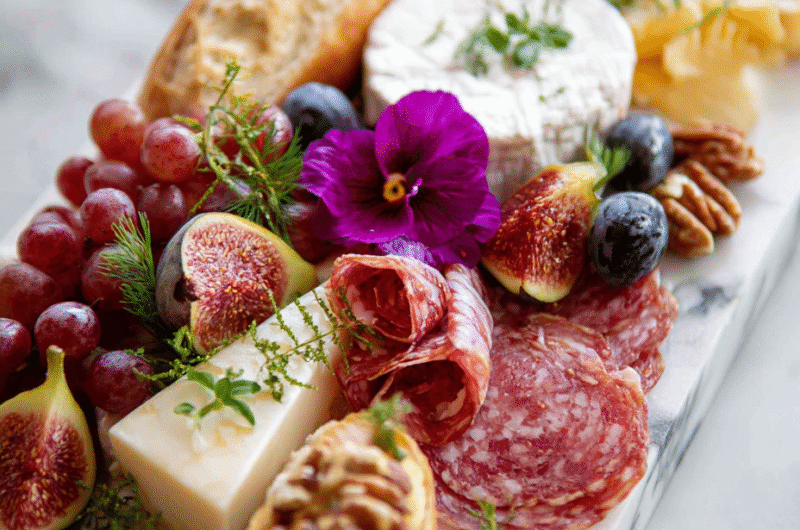
Charcuterie boards sometimes get a reputation for being predictable, but I like to think of them as edible canvases. Each ingredient adds a layer of flavor, texture, and story. This isn’t just a snack; it’s an experience, a way to make grazing feel special, even if you’re just hanging out at home.
Why This Board Keeps Calling Me Back
Every ingredient feels like a tiny adventure, a burst of flavor that sparks joy. I love how it invites people to slow down, share stories, and nibble with intention. No matter the season, it’s a comfort to create something that’s both beautiful and deeply personal.
What Goes on a Charcuterie Board? A Breakdown
- Aged Cheeses: I love a sharp aged cheddar, but a creamy brie works too—choose based on your crowd.: Rich, velvety, and perfect for spreading or slicing.
- Cured Meats: Think beyond salami—try coppa or soppressata for a smoky punch.: Thinly sliced, with a chewy snap and layers of flavor.
- Pickled Veggies: Bright, vinegary, and a little spicy—think pickled onions or dilly gherkins.: Crunchy, tangy, and cleansing for the palate.
- Crunchy Nuts: Smoked almonds or candied pecans add texture and sweetness.: Oozy, smoky, and a little sweet—perfect for nibbling.
- Fresh Fruit: Juicy grapes, figs, or slices of pear—so bright and refreshing.: Sweet, juicy, and a natural complement.
- Sweet Spreads: Honey, fig jam, or fruit preserves—spread a little for extra flavor.: Sweet, sticky, and balancing savory bites.
- Edible Flowers: For a pop of color and a hint of subtle flavor—like violets or nasturtiums.: Delicate, fragrant, and visually stunning.
Tools of the Trade for a Beautiful Board
- Wooden chopping board or slate platter: Base for arranging ingredients, adds rustic charm.
- Cheese knives: Cutting and serving cheeses without mess.
- Tongs or small forks: Plating small items like pickles or nuts.
- Small bowls or ramekins: Hold spreads, dips, or olives.
- Garnishing tweezers: Precise placement of herbs and edible flowers.
Step-by-Step to a Memorable Charcuterie Display
Step 1: Gather a variety of cured meats, cheeses, and accompaniments that tell a story. Think beyond the usual—add pickled vegetables, smoked nuts, or even edible blooms.
Step 2: Arrange your ingredients thoughtfully on a wooden board or a slate. Play with colors and textures, creating visual interest.
Step 3: Start with larger items like cheese blocks and bowls, then fill gaps with smaller bites—think spicy olives or caramelized nuts.
Step 4: Finish with fresh herbs, edible flowers, or a drizzle of honey for a pop of flavor and color.
Cues and Clues for a Perfect Platter
- All cheeses should be at room temperature for maximum flavor and easier slicing.
- Cured meats should be thinly sliced, not rolled too tightly, to prevent squishing.
- Fruits and nuts should be fresh and crisp, not soggy or stale.
- Colors should be vibrant; avoid ingredients that look dull or wilted.
Common Pitfalls and How to Dodge Them
- Cold cheese, dull flavor.? FORGOT to bring ingredients to room temperature—warm cheeses are more flavorful; let them sit out 30 minutes.
- Crowded, cluttered board.? DUMPED too many ingredients in one spot—spread out for visual appeal and easier grazing.
- Burned edges and bitter flavors.? OVER-TORCHED meats or cheeses—keep an eye on the oven or grill, and serve slightly cooled.
- Dull, uninspired look.? MISSED the balance of colors—add fresh herbs or edible flowers to brighten the platter.
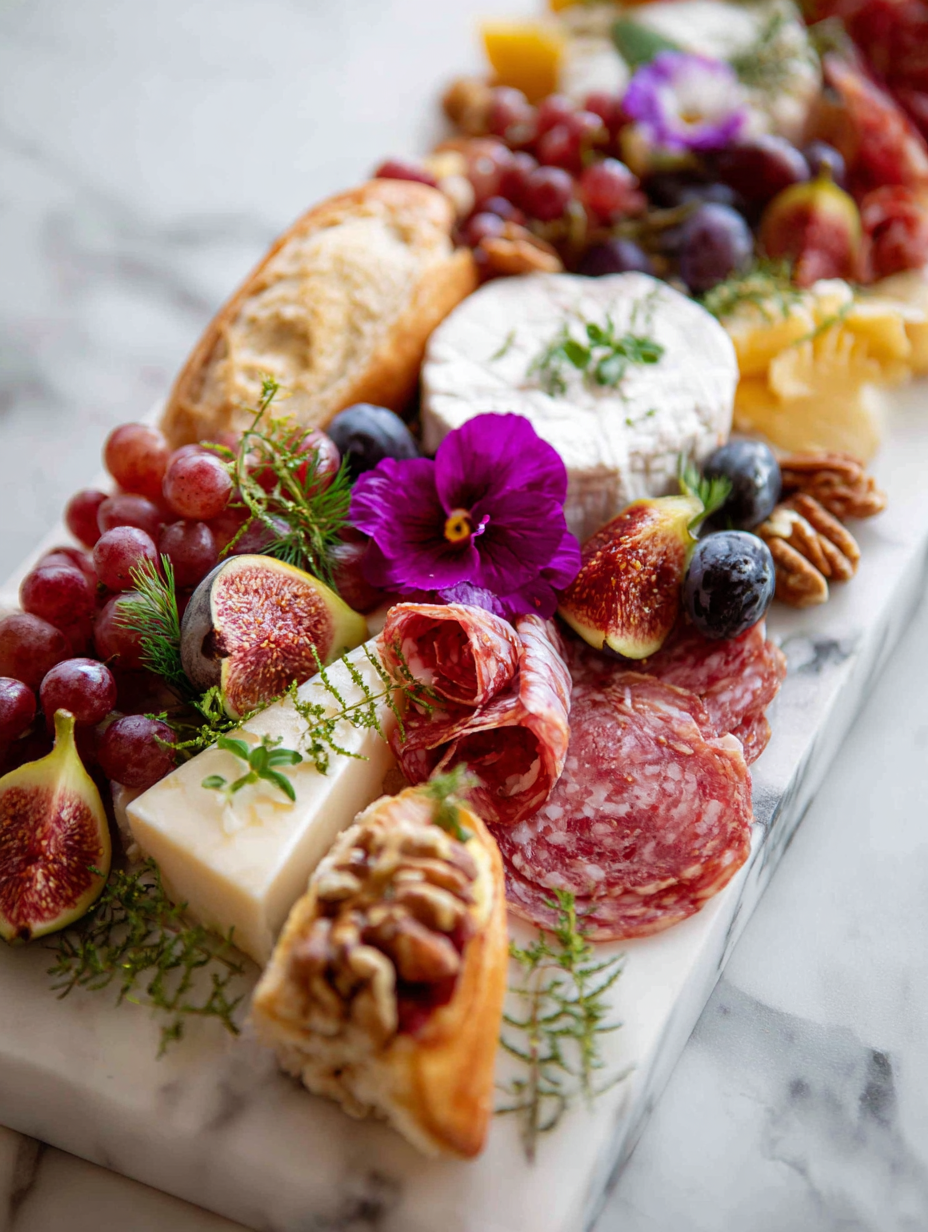
Gourmet Charcuterie Board
Ingredients
Equipment
Method
- Place the cheese on the center of your board, slicing or leaving it in chunks for visual interest.
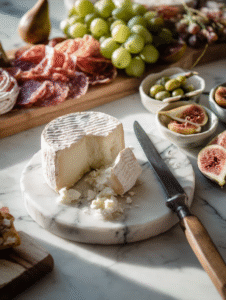
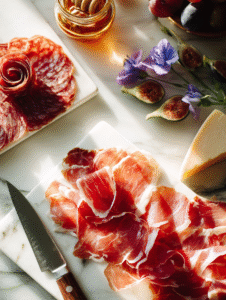
- Lay out the cured meats in loose folds or rolls around the cheese, creating a dynamic, inviting display.
- Fill small bowls or ramekins with pickled veggies and sweet spreads, placing them strategically for easy access and visual balance.
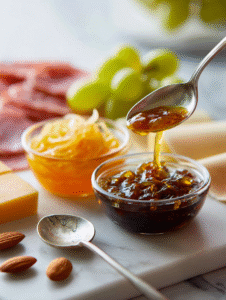
- Scatter the mixed nuts across the board, focusing on gaps to add texture and crunch.
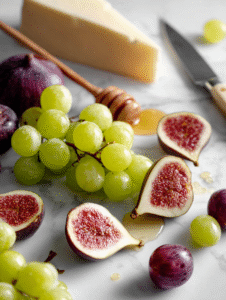
- Arrange fresh fruit slices and bunches of grapes or figs in clusters, balancing colors and shapes for visual appeal.
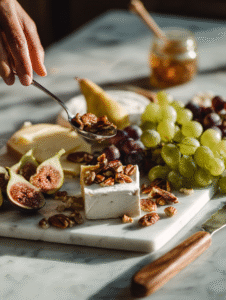
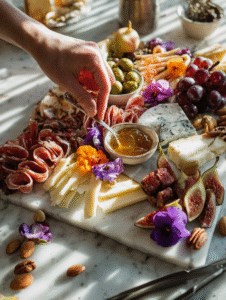
- Drizzle honey or fig jam over the cheese or in small dollops on the board for sweetness.
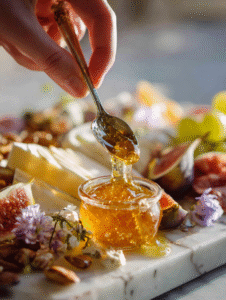
- Gently place edible flowers on top of the arrangement, adding pops of color and delicate fragrance.
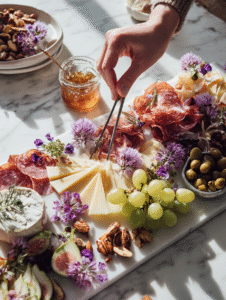
- Use tongs or small forks to adjust items, ensuring everything looks balanced and inviting.

- Finally, step back and admire your beautiful, edible canvas — ready for grazing and sharing!
Notes

Hi there! I’m Himani and welcome to Val’s Recipe Box. This little corner of the internet didn’t begin with me. It began with Val my neighbourhood aunt whose kitchen held more warmth than any fireplace ever could.


 This little corner of the internet didn’t begin with me.
It began with Val my neighbourhood aunt whose kitchen held more warmth than any fireplace ever could.
She was more of a friend and I’ve come to know her in the most unexpected way.
This little corner of the internet didn’t begin with me.
It began with Val my neighbourhood aunt whose kitchen held more warmth than any fireplace ever could.
She was more of a friend and I’ve come to know her in the most unexpected way.