
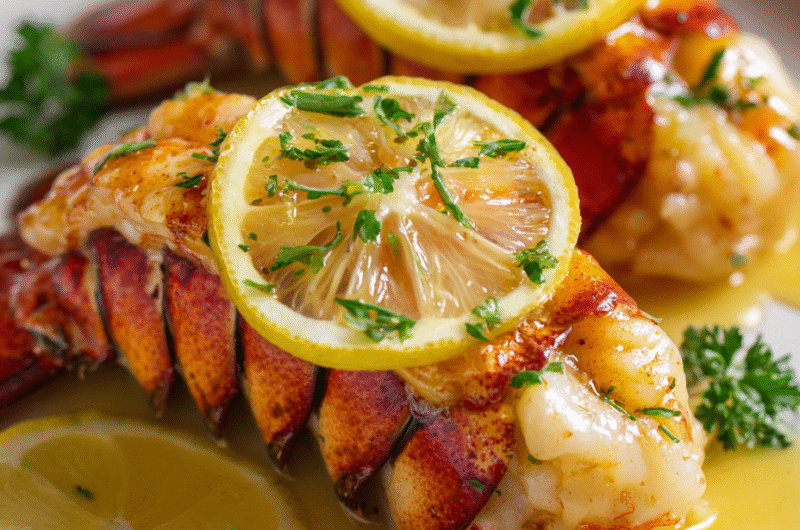
Lemon Butter Lobster Tail is one of those dishes that feels fancy but is surprisingly straightforward once you get the timing right. It’s all about letting the bright citrus butter work in harmony with the lobster’s rich sweetness, creating a balance that’s both indulgent and refreshingly vibrant. I love how the lemon’s acidity cuts through the buttery richness, making each bite feel lively rather than heavy.
The real trick is in the timing—getting that perfect moment when the lemon butter is just right, warm and fragrant, ready to pour over the tender, flaky lobster. It’s like conducting a small kitchen symphony where every note matters. This dish isn’t just about impressing guests; it’s about savoring a moment where simple ingredients come together in a way that feels celebratory and comforting all at once.
Focusing on the overlooked technique of perfectly timing the lemon butter to harmonize with the lobster’s richness, ensuring each bite delivers a burst of bright, buttery citrus that elevates the dish from simple seafood to a memorable experience.
The story behind this recipe
A few years ago, I found myself stranded at a seaside cabin after a storm knocked out power. With just a handful of ingredients and a craving for something special, I threw together this lemon butter lobster. That day, I realized how simple, honest flavors can turn an ordinary meal into a memorable one. Since then, I’ve kept tweaking the recipe, always chasing that perfect balance of bright lemon and rich butter, especially when I want a dish that feels luxurious but is actually easy to pull off. It’s become my go-to for celebrating small wins or just making a weekday feel a little more special.
Key ingredients and tips
- Lobster tail: I prefer the texture of fresh, wild lobster—it’s firmer and sweeter. If yours is frozen, ensure it’s fully thawed for even cooking.
- Lemon: Bright, zesty, and essential. Use fresh lemons for maximum vibrancy. Skip the zest if you want a milder citrus flavor.
- Butter: Rich, creamy, and slightly nutty. Unsalted butter helps control saltiness; if using salted, reduce added salt elsewhere.
- Garlic: I love the aroma when it’s just starting to turn golden—be careful not to burn it, or it turns bitter fast.
- Herbs (parsley or dill): Fresh herbs add a pop of color and freshness. Use right before plating to keep their bright flavor.
- Olive oil: A splash for searing; choose a mild variety so it doesn’t compete with the butter and lemon’s brightness.
- Seasoning: Just salt and pepper—let the natural sweetness of the lobster shine, but don’t skip the salt, it balances everything.
Spotlight on key ingredients
Lemon:
- I love how it adds a zingy brightness and cuts through the richness of the butter. Use fresh for the best aroma and flavor. The zest also brings a subtle, fragrant oiliness that elevates the sauce.
- Lobster: Its firm, sweet flesh responds beautifully to quick, high-heat cooking. When cooked right, it becomes tender with a slight pearl-like shimmer, and the shells turn a vivid red—an instant sign of doneness.
Herbs:
- Butter: I prefer unsalted, creamy butter that melts smoothly and coats the lobster in a velvety, rich layer. When heated, it releases a nutty aroma and turns slightly golden, signaling it’s ready for the lemon infusion.
- Herbs (parsley or dill): Fresh herbs add a lively, green note that brightens the dish. They tend to wilt quickly, so sprinkle just before serving for maximum freshness and color. Their aroma is herbaceous and slightly peppery.
Notes for ingredient swaps
- Dairy-Free: Swap butter for coconut oil or a dairy-free butter substitute. Expect a slightly different richness and aroma, but still good.
- Lemon: Use bottled lemon juice in a pinch, though it lacks the bright, fresh zing of real lemon zest and juice.
- Herbs: Fresh parsley or dill can be replaced with dried herbs—use half the amount, as dried is more concentrated.
- Garlic: Roasted garlic instead of raw for a milder, sweeter flavor, especially if you prefer less pungency.
- Olive Oil: Light avocado oil can replace olive oil for searing; it has a neutral flavor and high smoke point.
- Seafood: If lobster isn’t available, large king prawns or langoustines can work, though the texture will differ.
- Seasoning: Skip salt if on low-sodium diets, but taste and adjust the final dish carefully; lemon and butter are key.
Equipment & Tools
- Sharp boning knife: Cleanly cut and prepare lobster tails
- Baking sheet: Roast the lobster evenly
- Small saucepan: Make lemon butter
- Basting brush: Apply butter and keep lobster moist
- Tongs: Handle hot lobster safely
Step-by-step guide to lemon butter lobster
- Equipment & Tools: Gather a sharp boning knife, a baking sheet, a small saucepan, a basting brush, and tongs. The knife will help clean the lobster, the baking sheet for roasting, the saucepan for butter, the brush for glazing, and tongs for handling hot lobster.
- Preheat your oven to 200°C (390°F) and line the baking sheet with parchment for easy cleanup. Prepare the lobster tails by cutting down the middle shell to expose the flesh, then gently loosen the meat from the shell, keeping it attached at the base.
- In the saucepan, melt 4 tablespoons of unsalted butter over medium heat (around 150°C / 300°F). Add 2 minced garlic cloves and cook until fragrant, about 1 minute, stirring often to prevent burning.
- While the butter melts, season the lobster flesh with a pinch of salt and pepper. Place the tails on the baking sheet, flesh side up. Brush generously with the lemon butter, reserving some for serving.
- Bake the lobster tails for 12-15 minutes, depending on size. Check for doneness: the flesh should be opaque and firm but still moist. The shell should turn a slightly deeper red, and the butter will be bubbling slightly.
- During baking, baste the lobster with more lemon butter twice, at 5-minute intervals, to keep it moist and flavorful. Carefully remove from oven once cooked through and slightly caramelized at the edges.
- Rest the lobster for 2 minutes. Finish by drizzling with the remaining lemon butter and a squeeze of fresh lemon juice. Serve immediately with a sprinkle of chopped herbs for color.
- Checkpoints & How to Know It’s Done: Flesh should be opaque and firm, shell a bright red, and butter bubbling without burning. The internal temp should reach 60°C (140°F). The lobster should crackle gently when pressed, and the aroma of lemon butter should be fragrant.
- Rest for 2-3 minutes before serving, allowing juices to settle. Plate with extra lemon wedges and herbs for a vibrant finish.
Let the lobster rest for 2-3 minutes after baking. Drizzle with final lemon butter and a squeeze of lemon. Garnish with herbs and serve immediately to enjoy the bright, buttery flavors at their peak.
How to Know It’s Done
- Lobster flesh is opaque, firm, and juicy.
- Shell is a vibrant deep red, crackling slightly.
- Butter is bubbling gently, fragrant with lemon and garlic.
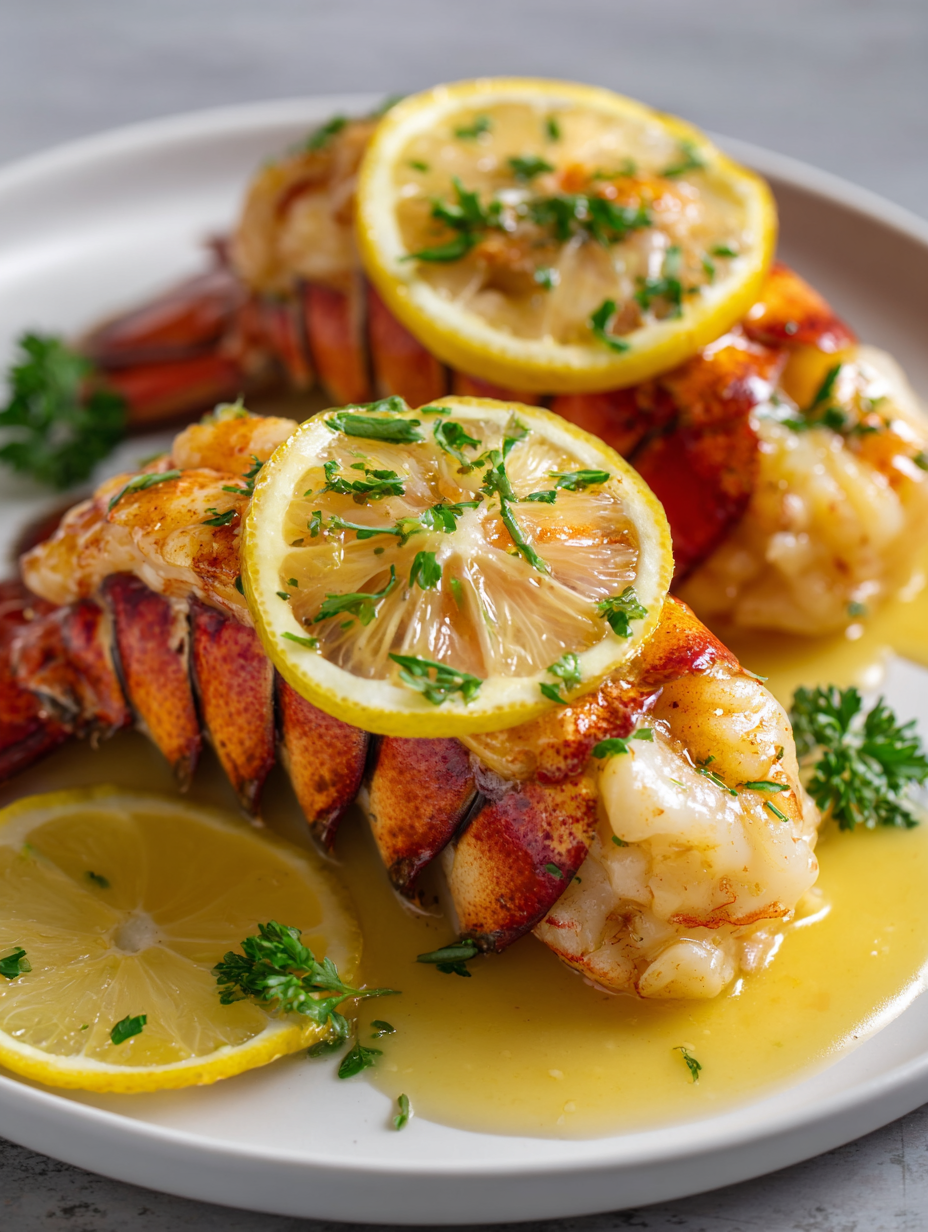
Lemon Butter Lobster Tail
Ingredients
Equipment
Method
- Preheat your oven to 200°C (390°F). Using a sharp boning knife, carefully cut down the top shell of each lobster tail lengthwise, exposing the flesh while keeping it attached at the base. Gently loosen the meat from the shell, lifting it slightly but leaving it connected at the tail end.
- In a small saucepan, melt the butter over medium heat until it begins to bubble softly, releasing a nutty aroma. Add the minced garlic and cook for about 1 minute, stirring constantly, until fragrant but not browned.
- Zest the lemon directly into the butter mixture, then squeeze in the fresh lemon juice. Stir well to combine, creating a bright, fragrant lemon butter sauce. Season with a pinch of salt and pepper to taste.
- Brush the exposed lobster meat generously with the lemon butter using a basting brush, ensuring all surfaces are coated. Drizzle the lobster tails with a little olive oil for searing and season with salt and pepper.
- Place the lobster tails flesh side up on a lined baking sheet. Roast in the preheated oven for about 12-15 minutes, until the flesh is opaque and firm, and the shell turns a deep red. Baste with more lemon butter halfway through cooking to keep the meat moist and flavorful.
- Once cooked, remove the lobster tails from the oven and let rest for 2 minutes. Finely chop the fresh herbs and sprinkle over the lobster for a burst of color and freshness. Drizzle with any remaining lemon butter for extra richness.
- Squeeze a fresh lemon wedge over the lobster just before serving to add a final bright note. Serve immediately with extra herbs on top for a vibrant, indulgent presentation.
Pro tips for perfect lobster
- Use room temperature butter to ensure it melts evenly and quickly, creating a silky sauce.
- Sear the lobster shell side down first for a caramelized, smoky flavor that enhances the presentation.
- Add lemon zest early in the butter sauce to release aromatic oils, brightening the entire dish.
- Baste the lobster multiple times during baking to keep the meat moist and infused with lemon butter.
- Finish with a squeeze of fresh lemon juice just before serving to preserve its vibrant brightness.
- Keep an eye on the lobster’s shell color; deep red is a good visual cue for doneness, not just timing.
- Rest the cooked lobster briefly after baking; it helps juices redistribute and keeps the meat tender.
Common mistakes and how to fix them
- FORGOT to adjust heat after adding butter → Lower heat to prevent burning.
- DUMPED lemon zest directly into sauce → Zest before cooking for maximum brightness.
- OVER-TORCHED garlic → Sauté garlic gently until fragrant, avoid browning.
- MISSED resting time → Rest lobster 2-3 minutes for juices to settle.
Fast fixes for lemon butter lobster
- When sauce separates, splash in a teaspoon of cold water and whisk vigorously.
- If lobster isn’t cooking evenly, swap to a smaller pan for better heat distribution.
- DUMPED too much lemon juice? Patch it with a bit more butter to balance acidity.
- Overcooked lobster? Shield with foil and gently reheat in a warm oven for 5 seconds to revive moisture.
- Splash a little white wine or broth if the butter burns, then simmer to shimmer again.
Prep, store, and reheat tips
- Prep the lobster tails by cleaning and cutting them at least an hour ahead; keep covered in the fridge, flesh side up, to prevent drying out.
- Make the lemon butter sauce in advance; store in a jar or small container for up to 2 days in the fridge. Reheat gently, just until warm and fragrant, to avoid separation.
- Lemon zest and herbs can be prepped a few hours ahead; keep in airtight containers in the fridge to preserve freshness and aroma.
- Lobster meat can be cooked and stored separately for up to 24 hours. Reheat briefly in warm butter or under a low grill, watching for overcooking.
- Reheating the lobster: Gently warm in a 180°C (350°F) oven for 5-7 minutes, until just heated through and tender. Avoid overheating to keep it juicy.
Top questions about Lemon Butter Lobster
1. Can I use bottled lemon juice?
Use fresh lemon juice and zest for the brightest flavor. Bottled lemon is okay in a pinch, but fresh really makes a difference.
2. Is bottled lemon juice okay?
Yes, but fresh lemon zest and juice give a much brighter, more vibrant flavor that really lifts the dish.
3. How do I know when lobster is done?
Cook the lobster until the flesh is opaque and firm, and the shell is deep red. Usually about 12-15 minutes in the oven.
4. What are signs of perfect lobster doneness?
Look for a bright red shell, opaque flesh that easily flakes, and a fragrant lemon-butter aroma. The internal temp should reach about 60°C (140°F).
5. Can I use salted butter?
Use unsalted butter for control over saltiness. If you only have salted butter, reduce added salt and taste before serving.
6. What oils can I substitute for butter?
Yes, you can substitute olive oil or avocado oil for searing. They have high smoke points and neutral flavors that won’t overpower the dish.
7. Can I prepare the lemon butter ahead?
Make the lemon butter sauce ahead and refrigerate for up to 2 days. Reheat gently to preserve its silky texture and bright aroma.
8. What if the sauce separates or lobster overcooks?
When the sauce separates, add a teaspoon of cold water and whisk vigorously. For overcooked lobster, shield with foil and reheat gently.
9. How do I keep the lobster moist during baking?
Baste the lobster with lemon butter during baking to keep it moist, and finish with a squeeze of fresh lemon for brightness.
10. What tools do I need for this recipe?
Use a sharp boning knife to clean and cut the lobster, and a baking sheet with parchment for easy roasting.
This lemon butter lobster tail is a little reminder that simple ingredients, when timed right, can create something truly special. The bright citrus and rich butter make each bite feel lively and indulgent, perfect for when you want to elevate a quiet night or impress at a small gathering.
Sharing this dish feels like passing on a secret—something refined yet approachable, with flavors that linger. It’s not just about the recipe, but about those moments when everything aligns, and the kitchen fills with that warm, citrusy aroma that makes everyone stop and smile.

Hi there! I’m Himani and welcome to Val’s Recipe Box. This little corner of the internet didn’t begin with me. It began with Val my neighbourhood aunt whose kitchen held more warmth than any fireplace ever could.


 This little corner of the internet didn’t begin with me.
It began with Val my neighbourhood aunt whose kitchen held more warmth than any fireplace ever could.
She was more of a friend and I’ve come to know her in the most unexpected way.
This little corner of the internet didn’t begin with me.
It began with Val my neighbourhood aunt whose kitchen held more warmth than any fireplace ever could.
She was more of a friend and I’ve come to know her in the most unexpected way.