
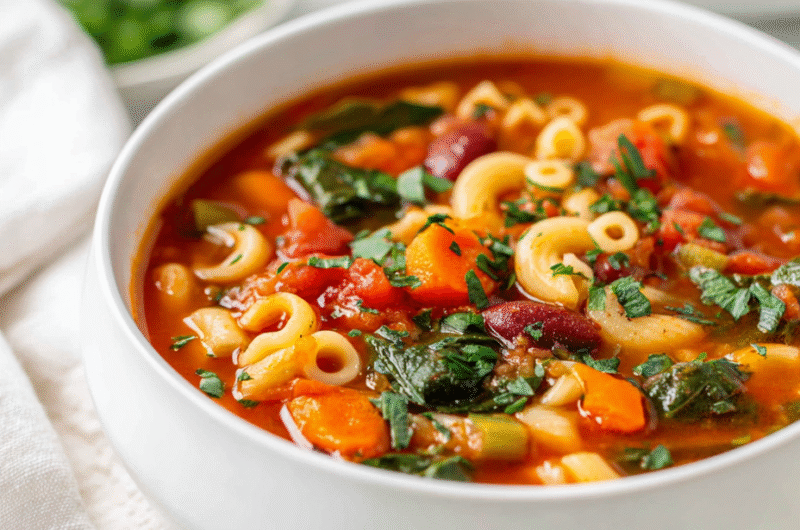
This Crockpot Minestrone Soup is a quiet act of self-care. I love how the slow cooker turns simple beans, vegetables, and herbs into something meditative. It’s a ritual—set it and forget it—that nurtures both body and mind, especially on busy days.
There’s something about the gentle, slow simmer that makes chopping vegetables feel like a mindful pause. I find myself lingering over the process, appreciating the way the kitchen fills with warm, earthy aromas. It’s a reminder to slow down and savor the small, nourishing moments.
This recipe isn’t just about the soup—it’s about creating space for calm in a hectic world. The act of waiting, of letting flavors meld quietly, transforms a humble meal into a quiet celebration of patience. It’s a ritual I keep coming back to, especially when I need a little grounding.
This recipe focuses on the meditative process of slow-cooking, turning an everyday meal into a mindful ritual that transforms simple ingredients into a comforting, nourishing bowl. It’s about finding solace in the slow simmer, where patience and quiet become the secret ingredients.
The inspiration behind this soup
- This soup was born out of a busy weekend when I needed something hearty but effortless. I tossed in whatever vegetables I had, and the slow cooker did the rest—no fuss, just patience. That warm, veggie-scented air filling the house made me realize how much I cherish simple, nourishing routines.
- My grandmother’s old minestrone recipe was always a bit more hands-on, but I love how this version lets me step back and let flavors develop slowly. It’s become a go-to for busy weekdays, a reminder that some of the best meals are the ones you let simmer quietly in the background.
- heading
- story_type
Ingredient breakdown: key components
- Canned diced tomatoes: I love the zing of bright acidity and the way they meld into the broth. If you want more depth, add a splash of balsamic vinegar at the end.
- Assorted beans: I use a mix of cannellini and kidney beans for texture and color. If you prefer a creamier soup, mash some beans before serving.
- Vegetables (carrots, celery, onion): I chop these small so they soften quickly and release their sweet, earthy aroma. For a chunkier texture, leave larger pieces.
- Vegetable broth: I opt for low-sodium so I can control the salt. If you like a smoky flavor, toss in a smoked paprika or a dash of liquid smoke.
- Pasta: I add small pasta shapes in the last 20 minutes. If you like a thicker soup, cook the pasta separately and add just before serving to prevent mush.
- Herbs (bay leaf, thyme): I toss in a bay leaf and fresh thyme sprigs early for a fragrant, herbal backdrop. Remove the bay leaf before serving, or it’ll be a bit tough.
- Olive oil: I drizzle a good-quality extra virgin olive oil over the soup just before serving for a shiny, flavorful finish. If you want a richer taste, swirl in a spoonful of pesto.
Spotlight on key ingredients
Canned diced tomatoes:
- I love the zing of bright acidity and the way they meld into the broth. If you want more depth, add a splash of balsamic vinegar at the end.
- Assorted beans: I use a mix of cannellini and kidney beans for texture and color. If you prefer a creamier soup, mash some beans before serving.
- Vegetables (carrots, celery, onion): I chop these small so they soften quickly and release their sweet, earthy aroma. For a chunkier texture, leave larger pieces.
Assorted beans:
- Vegetables (carrots, celery, onion): I chop these small so they soften quickly and release their sweet, earthy aroma. For a chunkier texture, leave larger pieces.
- I use a mix of cannellini and kidney beans for texture and color. If you prefer a creamier soup, mash some beans before serving.
Notes for ingredient swaps
- Dairy-Free: Use coconut milk or omit cheese for a creamy, but dairy-free, version. The flavor shifts to a subtly sweet, tropical note.
- Gluten-Free: Swap regular pasta for gluten-free varieties like rice or chickpea pasta. Keep in mind, textures may vary slightly, and cooking times differ.
- Vegetarian: Ensure your broth is vegetable-based; skip any added meat or bacon. The soup relies on the veggies’ natural sweetness for depth.
- Lower Sodium: Choose low-sodium broth and rinsed canned beans. The soup will be less salty but still flavorful with fresh herbs and acidic tomatoes.
- Fresh Herbs: Replace dried thyme and bay leaf with fresh herbs for a brighter, more vibrant aroma. Add herbs towards the end to preserve their flavor.
- Beans: Use dried beans pre-soaked overnight if you prefer cooking from scratch. It adds a bit of prep time but enhances flavor and texture.
- Pasta: Skip pasta altogether for a lighter, grain-free version. You can add cooked rice or omit starch for a brothier feel.
Equipment & Tools
- Large slow cooker: Main cooking vessel, allows for slow simmering.
- Knife: Chopping vegetables and herbs efficiently.
- Chopping board: Provides a stable surface for prep work.
- Wooden spoon: Stirring ingredients without scratching the crock.
- Measuring cups: Ensuring precise amounts of liquids and seasonings.
Step-by-step guide to crockpot minestrone
- Equipment & Tools: Gather a large slow cooker (6-8 quart), a sharp knife, a chopping board, a wooden spoon, and measuring cups. The slow cooker is your main workspace, and the knife helps prep vegetables efficiently.
- Chop all vegetables. Dice carrots, celery, and onion into small, uniform pieces so they cook evenly. Aim for about 1/4-inch size. Set aside.
- Rinse and drain beans. You can use canned cannellini and kidney beans for creaminess and color. No need to cook beforehand; just rinse well to remove excess salt.
- Add ingredients to slow cooker. Toss in chopped vegetables, beans, canned tomatoes (with juice), vegetable broth, herbs, and a splash of olive oil. Stir to combine.
- Set slow cooker on low. Cover and cook for 6-8 hours. During the first 2 hours, you’ll smell the earthy aroma as vegetables soften and flavors meld. Check occasionally.
- In the last 20 minutes, add pasta shapes. If you prefer the soup thicker, cook pasta separately and add just before serving. Stir well to prevent sticking.
- Final check. The vegetables should be tender, pasta al dente, and the broth rich with aroma. Taste and adjust salt or herbs if needed.
- Resting & Finishing: Turn off the cooker. Let sit for 5 minutes to settle flavors. Drizzle with extra olive oil, sprinkle fresh herbs, and ladle into bowls.
- Checkpoints & How to Know It’s Done: Vegetables are soft and fragrant, pasta is tender but not mushy, and the broth is flavorful and slightly thickened. Broth reaches a gentle simmer, and no raw vegetable smell remains.
Once cooked, turn off the slow cooker and let the soup rest for 5 minutes. Ladle into warm bowls, drizzle with olive oil, sprinkle with fresh herbs, and serve hot.
How to Know It’s Done
- Vegetables are tender and fragrant.
- Pasta is al dente, not mushy.
- Broth has melded into a rich, earthy aroma.
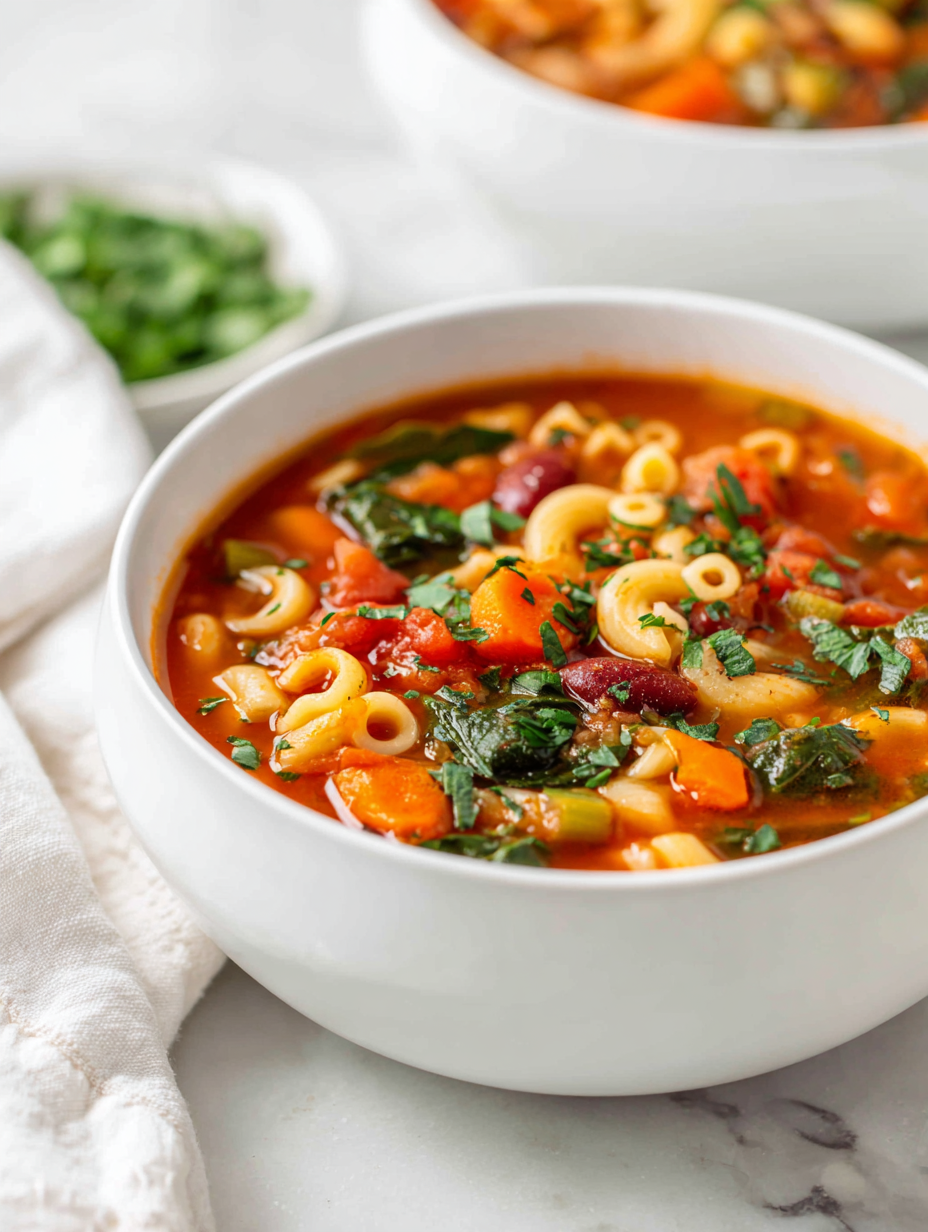
Crockpot Minestrone Soup
Ingredients
Equipment
Method
- Gather all your ingredients: diced tomatoes, beans, vegetables, broth, pasta, herbs, and olive oil. Prepare your chopping board, knife, and measuring cups to keep everything within reach.
- Dice the carrots and celery into small, uniform pieces and chop the onion. This helps everything cook evenly and releases their natural sweetness.
- Add a tablespoon of olive oil to your slow cooker and gently sauté the diced onion, carrots, and celery for about 3-4 minutes until they start to soften and smell fragrant.
- Pour in the vegetable broth, then add the canned diced tomatoes, rinsed beans, thyme sprigs, and bay leaf. Stir everything together to combine the flavors.
- Set the slow cooker to low and cover. Let the soup simmer gently for 6 to 8 hours, during which the vegetables will soften, and the flavors will meld into a warm, earthy aroma.
- About 20 minutes before serving, add the small pasta shapes to the slow cooker. Stir well, and cook with the lid off if you want a slightly thicker broth. Keep an eye on the pasta to prevent overcooking and mushiness.
- Once the pasta is tender and the broth is flavorful, remove the thyme sprigs and bay leaf. Taste the soup and season with salt and pepper as needed.
- Finish with a drizzle of olive oil for added shine and richness. Ladle the hot soup into bowls, and enjoy the comforting, meditative experience of this slow-cooked minestrone.
Pro tips for perfect minestrone
- BOLD VEGETABLES: Sauté onions and carrots briefly in a pan before adding to the slow cooker for a deeper, caramelized flavor.
- LAYER HERBS: Toss in a sprig of thyme and a bay leaf early, then remove before serving for a fragrant, clean finish.
- Pasta Timing: Add pasta in the last 20 minutes to avoid mush; cook separately if you prefer a thicker broth.
- SENSORY CHECK: Smell the broth; it should have a warm, earthy aroma with hints of tomato and herbs, signaling it’s ready.
- Adjust acidity: A splash of vinegar or lemon juice at the end brightens the broth and balances the richness.
- Layer seasoning: Taste halfway through and adjust salt or pepper; slow cooking can mellow seasonings, so do a final tweak at the end.
- Use canned beans: Rinse thoroughly to remove excess salt and preservatives, ensuring a fresh, clean bean flavor in every spoonful.
Common mistakes and how to fix them
- FORGOT to add enough liquid? Ensure the ingredients are just covered to prevent burning.
- DUMPED in too many vegetables at once? Add in stages for even cooking and flavor development.
- OVER-TORCHED the soup? Lower the heat and stir frequently to prevent sticking or burning.
- MISSED seasoning adjustments? Taste and tweak salt or acidity before serving.
Quick fixes and pantry swaps
- When soup tastes flat, splash in a dash of vinegar to brighten flavors.
- If veggies stay firm, extend cooking time or chop smaller for quick softening.
- Splash a bit of olive oil if the broth feels thin and lacks richness.
- Patch over a burnt bottom by transferring soup carefully and adding fresh broth.
- Shield delicate pasta by adding it late to prevent mushy texture and overcooking.
Prep, store, and reheat tips
- Chop all vegetables the night before; they’ll keep in the fridge for up to 24 hours, saving you morning chaos. The fresh aroma of chopped carrots and celery makes prep feel almost meditative.
- Assemble the soup ingredients in the morning, except pasta, and store in an airtight container. The flavors will deepen overnight, turning into a richer, more integrated broth by dinnertime.
- Leftover soup keeps well in the fridge for 3-4 days. Reheat gently on the stove or in the microwave, smelling the warm, earthy aroma bloom again with each stir.
- For longer storage, freeze in portions for up to 3 months. The soup develops a slightly different texture, the vegetables softening further, but the flavor remains comforting. Thaw overnight in the fridge, then reheat with a splash of broth or water, watching the steam rise and smelling that familiar, hearty scent.
Top questions about minestrone soup
1. Can I freeze minestrone soup?
Yes, you can freeze leftovers in airtight containers for up to 3 months. Just reheat until steaming hot, and you’ll get that cozy aroma again.
2. Can I use different beans?
Absolutely. Use a mix of beans, or even lentils, if you want to switch things up. It’ll still be hearty and comforting.
3. Can I use fresh tomatoes instead of canned?
Yes, fresh tomatoes work beautifully if in season. Just chop and add them at the start for a brighter, juicier flavor.
4. Is this soup gluten-free?
For a gluten-free version, swap regular pasta for rice or gluten-free noodles. Expect a slightly different texture, but still delicious.
5. Can I make it without pasta?
Yes, skip the pasta and add extra vegetables or grains like quinoa for a lighter, grain-free bowl.
6. Can I use store-bought broth?
Using homemade broth adds depth, but store-bought works fine. Just look for low-sodium to control salt levels.
7. How do I enhance the flavor at the end?
Add a splash of vinegar or lemon juice at the end to brighten the flavors if the broth feels dull.
8. Can I make it smoky?
Yes, adding a pinch of smoked paprika or a dash of liquid smoke can give a smoky undertone to the broth.
9. How should I prep the vegetables?
Chop vegetables small for quicker softening and more even cooking. Larger chunks take longer and might stay crunchier.
10. How do I know when it’s done?
Be sure to check the soup after 6 hours on low. The vegetables should be soft, pasta tender, and the broth aromatic.
This Crockpot Minestrone Soup is more than just a meal; it’s a small act of patience and care. The slow simmer fills my home with a warm, earthy aroma that feels like a gentle hug on a busy day.
In these rushed times, having a nourishing, homemade soup ready without fuss reminds me to slow down and appreciate the simple, honest flavors of vegetables and herbs. It’s a cozy, practical way to nourish both body and spirit.

Hi there! I’m Himani and welcome to Val’s Recipe Box. This little corner of the internet didn’t begin with me. It began with Val my neighbourhood aunt whose kitchen held more warmth than any fireplace ever could.


 This little corner of the internet didn’t begin with me.
It began with Val my neighbourhood aunt whose kitchen held more warmth than any fireplace ever could.
She was more of a friend and I’ve come to know her in the most unexpected way.
This little corner of the internet didn’t begin with me.
It began with Val my neighbourhood aunt whose kitchen held more warmth than any fireplace ever could.
She was more of a friend and I’ve come to know her in the most unexpected way.