
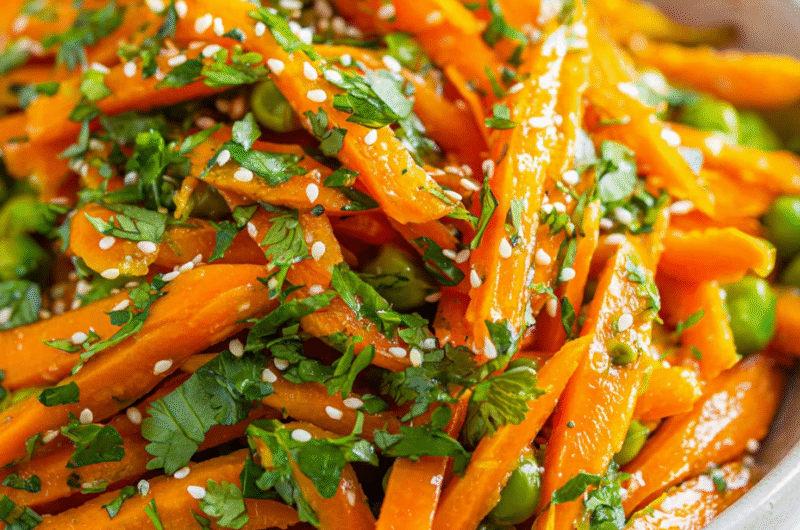
This carrot and peas stir fry is my way of giving simple, everyday vegetables a bit of a glow-up. I love how the natural sweetness of carrots and peas gets a smoky, caramelized edge when you cook them just right. It’s not about fancy ingredients, but about making the most of what’s in your fridge and turning it into something satisfying and bright.
There’s a kind of charm in transforming humble produce into a quick, vibrant dish that’s perfect for busy weeknights or a spontaneous lunch. The way the vegetables soften but still retain their crunch, mixed with a touch of soy and a splash of sesame oil, makes every bite feel honest and unpolished but deeply flavorful. It’s all about reclaiming the everyday and making it special.
Using this stir fry as a way to reclaim the humble carrot and peas from boring side dish status, turning them into a dish that celebrates their natural sweetness and vibrant color, while adding a slightly smoky, caramelized edge that transforms everyday ingredients into something unexpectedly satisfying.
The story behind this recipe
- This dish came together after a lazy weekend afternoon when I found myself staring at a crisper full of carrots and peas, thinking about how they often get overlooked as the boring side. I wanted to see if I could turn them into something more than just a snack for kids or a filler. The idea of roasting or frying them until just caramelized felt right, bringing out their natural sweetness with a smoky touch.
- I remember an evening when I was experimenting in the kitchen, trying to use what I had on hand, and this stir fry just clicked. The simple act of tossing everything in a hot pan, hearing that crackle, and watching the colors brighten—those moments of spontaneous creation are what keep me coming back. It’s like giving humble ingredients their moment to shine, no fuss, no pretenses.
- heading:
Key ingredients and tips
- Carrots: I prefer thin, crunchy julienne — they get that sweet, smoky caramelization quickly, like a soft snap. You might skip peeling if they’re young, but older carrots need a scrub for that velvety texture.
- Peas: Fresh peas burst with a grassy sweetness that’s almost crunchy when just cooked. Frozen ones work fine; just rinse well and add straight from the freezer to avoid overcooking that delicate texture.
- Soy Sauce: I use a splash to add depth and saltiness, but choose a low-sodium version if you want to control the salt. It gives the veggies a savory, umami kick—think of it as a flavor amplifier.
- Sesame Oil: A few drops at the end makes everything smell toasted and nutty. Don’t overdo it, or it’ll overpower the veggies’ natural brightness. Look for toasted sesame for that smoky aroma.
- Garlic & Ginger: Minced fresh garlic and ginger bring warmth and a hint of spice. I like to add them early so they soften and release their aroma, filling the kitchen with that inviting scent. If you prefer milder flavor, add later or use less.
- Cooking Oil: I stick with neutral oil like canola or vegetable for high heat, but a splash of peanut oil adds a subtle roasted note. Keep the oil shimmering hot before tossing the vegetables in—that’s when the magic begins.
- Optional Chili Flakes: A pinch for some heat—just enough to make each bite a little more lively. Add towards the end so the flakes toast slightly and release their fiery aroma.
Spotlight on key ingredients
Carrots:
- I prefer thin, crunchy julienne — they get that sweet, smoky caramelization quickly, like a soft snap. You might skip peeling if they’re young, but older carrots need a scrub for that velvety texture.
- Peas: Fresh peas burst with a grassy sweetness that’s almost crunchy when just cooked. Frozen ones work fine; just rinse well and add straight from the freezer to avoid overcooking that delicate texture.
Peas:
- Their bright green color and tender bite keep their personality even after stir-frying. Frozen peas stay vibrant and sweet if added at the right moment, almost popping with freshness.
- Carrots: Their natural sweetness intensifies when caramelized, offering a soft snap that complements the slight smokiness from the pan. Young, thin carrots caramelize faster, so watch them carefully.
Notes for ingredient swaps
- Vegetables: Frozen peas are convenient, but fresh peas give a brighter, crisper bite. If fresh aren’t available, use defrosted frozen peas straight from the freezer to avoid overcooking.
- Sweetener: Honey can replace a splash of sugar for a more floral sweetness. Use sparingly, as it can caramelize quickly and burn if not watched.
- Oil: Canola or vegetable oil works well, but toasted sesame oil at the end adds a nutty aroma. For a milder flavor, substitute with light olive oil.
- Soy Sauce: Tamari is a gluten-free alternative with a richer, smoother flavor. Coconut aminos work too, but they’re a bit sweeter and less salty.
- Aromatics: Fresh ginger and garlic are best, but if pressed, jarred minced options are fine—just cut back on quantity to avoid overpowering the dish.
- Heat: If you don’t have a wok, use a large skillet. Make sure it’s wide enough to toss ingredients easily without crowding.
- Spice: Chili flakes add heat, but red pepper paste (like harissa) offers smoky spice. Add in small amounts and taste as you go.
Equipment & Tools
- Wok or wide skillet: Provides high heat for quick stir-frying and even cooking.
- Spatula: For tossing and turning vegetables without breaking them.
- Sharp knife: To julienne carrots and mince garlic and ginger precisely.
Step-by-step guide to stir fry
- Gather your equipment: a large wok or wide skillet, a spatula, and a sharp knife. Preheat the pan over high heat until shimmering—around 200°C (390°F).
- Prepare vegetables: julienne 2 large carrots, and measure 1 cup of peas—fresh or frozen, rinsed. Mince 2 cloves garlic and 1 tsp ginger.
- Add 1-2 tbsp vegetable oil to the hot pan. Swirl to coat and wait until it shimmers and starts to smoke slightly.
- Toss in garlic and ginger. Stir for about 20 seconds until fragrant—smell should turn warm and aromatic. If burnt, reduce heat slightly.
- Add carrots in a single layer. Let them sear for 2-3 minutes, stirring occasionally, until edges turn golden and slightly caramelized. They should still be crunchy.
- Stir in peas. Cook together for another 1-2 minutes until peas are just tender and bright green, with a slight pop when pressed with spatula.
- Splash in 1-2 tbsp soy sauce and a drizzle of toasted sesame oil. Toss quickly to coat evenly. The vegetables should shimmer and smell nutty and savory.
- Taste and adjust seasoning: more soy or a pinch of chili flakes if desired. If vegetables are overcooked or soggy, remove from heat immediately.
- Remove from heat. Let rest for 30 seconds to settle flavors. Plate immediately, garnishing with a sprinkle of sesame seeds or chopped scallions if you like.
- Serve hot, ensuring carrots still have a firm bite and peas are juicy with a smoky, sweet aroma.
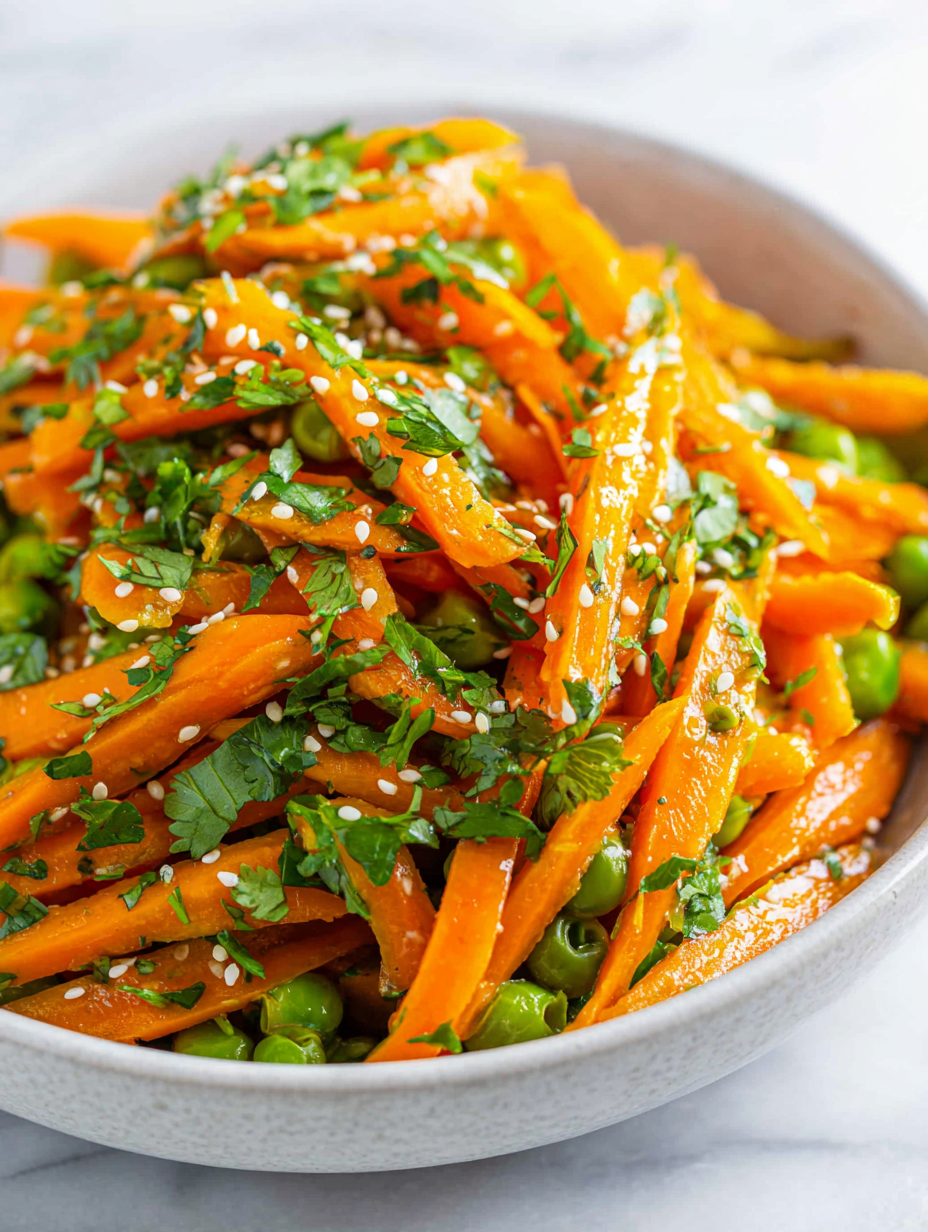
Serve immediately while hot. Garnish with optional sesame seeds or scallions. Enjoy the smoky aroma and vibrant crunch in every bite.
How to Know It’s Done
- Carrots: edges caramelized, still crisp, with a slight smoky smell.
- Peas: bright green, tender but not mushy, with a slight pop when pressed.
- Appearance: vegetables are evenly coated with soy and sesame oil, with a glistening sheen.
Carrot and Peas Stir Fry
Ingredients
Equipment
Method
- Preheat your wok or skillet over high heat until shimmering and hot, with a slight smoke in the air.
- Add vegetable oil to the hot pan, swirling to coat the surface evenly. Wait until the oil shimmers and begins to smoke slightly.
- Toss in the minced garlic and ginger. Stir quickly for about 20 seconds until fragrant, filling the kitchen with warm, spicy aroma and the mixture becoming slightly golden.
- Lay the julienned carrots in a single layer and let them sear undisturbed for 2-3 minutes, until edges start to turn golden and caramelized, with a slightly smoky scent.
- Stir the carrots and cook for another minute, then add the peas. Toss everything together and cook for 1-2 minutes more until peas are bright green, tender but still with a slight crunch, and vegetables are evenly coated with flavors.
- Pour in soy sauce and drizzle with toasted sesame oil. Toss quickly to coat the vegetables evenly, watching for a glossy, flavorful finish and a fragrant aroma.
- Sprinkle chili flakes if using, and stir briefly to distribute heat and spice evenly throughout the dish.
- Remove the pan from heat once the vegetables look bright, glossy, and slightly caramelized around the edges. Let rest for a few seconds to settle flavors.
- Serve immediately while hot, garnished with optional sesame seeds or chopped scallions for extra color and flavor.
Pro tips for stir-frying vegetables
- High heat: Ensure your pan is hot enough to sizzle immediately when vegetables hit the oil, for quick caramelization.
- Don’t overcrowd: Cook in batches if needed; overcrowding lowers temperature and causes steaming, not frying.
- Stir frequently: Keep the vegetables moving to promote even browning and prevent burning on one side.
- Add aromatics early: Toss garlic and ginger in first so their aroma infuses the oil and flavors the dish.
- Taste as you go: Adjust soy or salt near the end to keep flavors balanced, especially after adding soy sauce or chili.
- Finish with oil: A quick drizzle of sesame oil at the end boosts flavor and aroma without overpowering.
- Use fresh ingredients: Fresh peas and carrots caramelize better and retain crunch, making a noticeable difference.
Common mistakes and how to fix them
- FORGOT to preheat the pan → Always heat until shimmering before adding vegetables.
- DUMPED all ingredients at once → Add ingredients in stages for better caramelization and control.
- OVER-TORCHED the vegetables → Reduce heat if veggies start to burn or turn dark too quickly.
- MISSED stirring enough → Keep moving vegetables; uneven cooking leads to soggy or burnt spots.
Quick fixes and pantry swaps
- When veggies burn, splash a little water to cool and stop the charring.
- When carrots are too soft, increase heat and sear for a minute longer.
- Splash soy sauce when vegetables are too bland or pale in color.
- Patch over overcooked peas with a squeeze of lemon for brightness.
- Shield a five-second rescue by removing the pan from heat if smoke starts shimmer.
Prep, store, and reheat tips
- Prep carrots and peas: Julienne carrots and measure peas a day ahead. Keep them in an airtight container in the fridge—vegetables stay crisp and fresh for up to 24 hours.
- Minced aromatics: Prepare garlic and ginger early; store in a small jar or airtight container. Their sharp aroma remains vibrant for 2-3 days.
- Sauce ingredients: Mix soy sauce and sesame oil in advance. Store in a small bottle or jar in the fridge; flavors meld beautifully after a day.
- Refrigerate leftovers: Store any cooked stir fry in an airtight container for up to 2 days. The veggies may soften slightly, but their sweet, smoky aroma persists.
- Reheat with care: Warm in a hot skillet or microwave until steaming—about 1-2 minutes. Expect a fragrant burst of sesame and garlic, with veggies still retaining some bite.
Top questions about carrot and peas stir fry
1. Can I use frozen peas?
Use fresh peas for a crunchier, sweeter bite, but frozen peas are quick and still tasty. Rinse well before cooking.
2. How should I prepare the carrots?
Carrots should be julienned thin for quick caramelization and a tender-crisp texture. Peel if needed, especially for older carrots.
3. Can I substitute soy sauce?
Soy sauce adds savory depth and saltiness. Choose low-sodium if you want more control, and add gradually to taste.
4. Is sesame oil necessary?
A drizzle of toasted sesame oil at the end boosts nutty aroma. Use sparingly to avoid overpowering the vegetables’ natural sweetness.
5. What heat should I cook on?
Cook over high heat, around 200°C (390°F), to get that quick, smoky sear. Preheat the pan until shimmering before adding vegetables.
6. How often should I stir?
Stir frequently to promote even caramelization and prevent burning. Keep the vegetables moving for best results.
7. When should I add aromatics?
Add garlic and ginger early in the cooking process to infuse the oil and fill your kitchen with warm, spicy aroma.
8. How long can I store leftovers?
Leftovers can be stored in an airtight container for 1-2 days. Reheat quickly in a hot pan or microwave, watching for sogginess.
9. What if carrots get soggy?
If carrots are overcooked, increase heat slightly and sear briefly to restore some crispness and caramelized flavor.
10. Can I add spice?
For a touch of heat, sprinkle chili flakes towards the end. Toast them briefly for a smoky, fiery aroma.
This stir fry is a reminder that simple ingredients can be turned into something lively and satisfying with just a few quick techniques. The smoky sweetness of caramelized carrots paired with bright peas makes every bite feel fresh and honest, especially when cooked right in a hot pan. It’s a dish that celebrates the humble, making it worth a spot in your regular rotation.
Sometimes, all a vegetable needs is a little high heat and a quick toss to unlock their best flavor. It’s messy, a little chaotic, but those moments in the kitchen—hearing the crackle, smelling that toasted sesame—are what keep me coming back for more. No fuss, just honest, tasty food at its best.

Hi there! I’m Himani and welcome to Val’s Recipe Box. This little corner of the internet didn’t begin with me. It began with Val my neighbourhood aunt whose kitchen held more warmth than any fireplace ever could.


 This little corner of the internet didn’t begin with me.
It began with Val my neighbourhood aunt whose kitchen held more warmth than any fireplace ever could.
She was more of a friend and I’ve come to know her in the most unexpected way.
This little corner of the internet didn’t begin with me.
It began with Val my neighbourhood aunt whose kitchen held more warmth than any fireplace ever could.
She was more of a friend and I’ve come to know her in the most unexpected way.