

Filling a pot with soaked lentils and pouring in water, I turn on the stove and wait for that gentle, almost imperceptible bubble to form. There’s a quiet sizzle from the spices I’ve toasted, filling the kitchen with a smoky, aromatic haze.
Chopping onions, garlic, and ginger takes a steady hand and a sharp knife, the rhythmic sound of the blade against the board. As the curry simmers, I stir it every now and then, loosening the thick, fragrant sauce that clings to the spoon.
The gentle simmer of the lentils, the soft popping as they cook, and the fragrant steam rising—each step feels like a quiet conversation with the pot.
What goes into this dish
- Lentils: I use brown or green for their hearty texture and earthiness, but red lentils break down into a smoother sauce if you prefer. Rinse well—gives a cleaner taste and less foam.
- Coconut milk: Full-fat makes the curry rich and creamy, but light coconut milk cuts some calories without sacrificing much flavor. Adds a subtle sweetness and silky texture.
- Spices (cumin, coriander, turmeric): Toasting whole seeds before grinding releases oils and boosts aroma. Ground spices are quicker, but whole seeds keep a fresher, brighter flavor.
- Onions, garlic, ginger: The base that builds the curry’s depth. Fresh is best, but frozen grated ginger or pre-minced garlic can save time. Sauté until fragrant—vivid, spicy, and sweet smell.
- Tomatoes: Fresh chopped or canned diced—canned tomatoes give a consistent tang and brightness. Cook down until the oil separates for that classic, slightly smoky edge.
- Oil: Use vegetable or coconut oil for neutral, even heat. A splash of ghee adds richness and a nutty scent, but olive oil works in a pinch if you prefer a milder flavor.
- Fresh herbs (cilantro): Adds a burst of brightness at the end. Dried herbs can work in a pinch but lack the lively freshness that really lifts the dish.
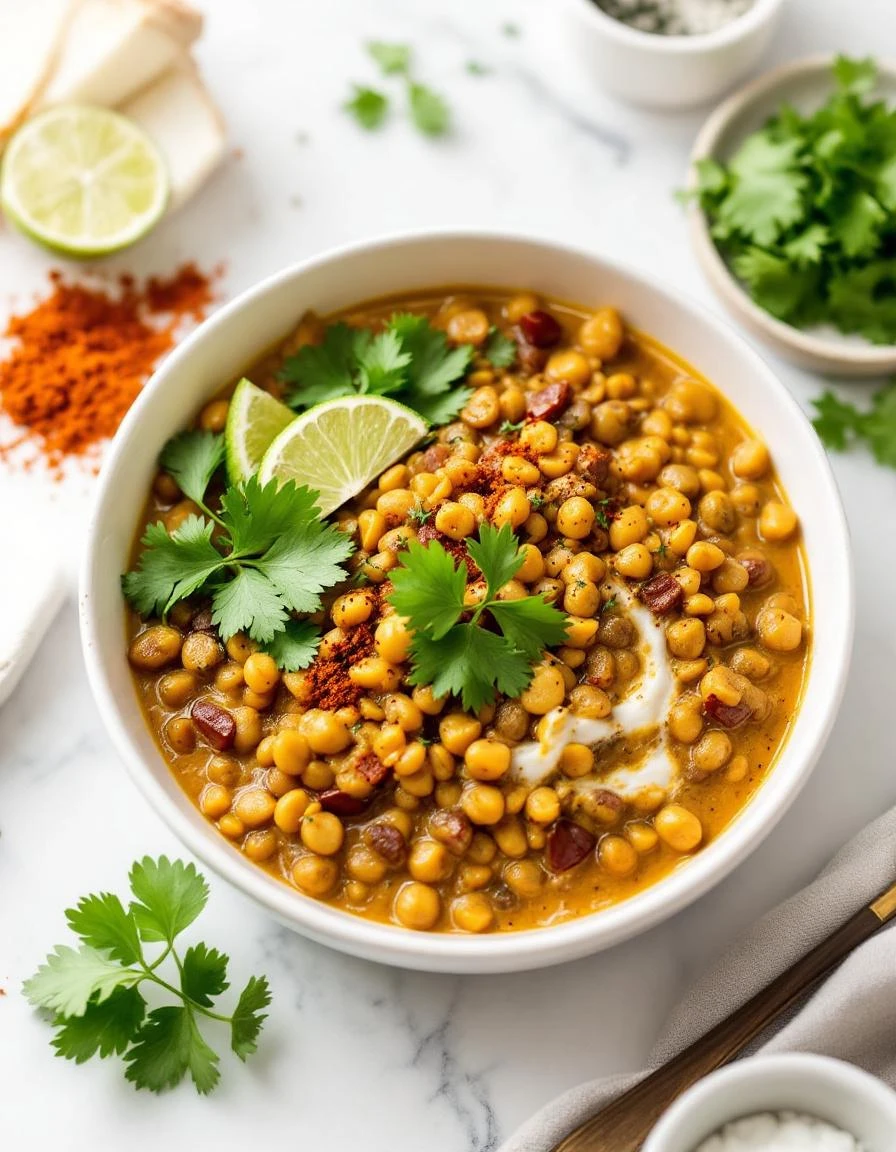
Lentil Coconut Curry
Ingredients
Equipment
Method
- Rinse the lentils thoroughly in cold water until the water runs clear, then set aside.
- Heat a dry large pot over medium heat. Add cumin and coriander seeds, toasting them until fragrant and lightly golden, about 1 minute. Carefully shake the pan to prevent burning.
- Pour in a tablespoon of oil and add the chopped onion. Sauté, stirring often, until the onion turns translucent and begins to brown slightly, about 5-7 minutes. The kitchen fills with a warm, savory aroma.
- Add the minced garlic and grated ginger to the pot. Sauté for another 1-2 minutes until fragrant, stirring constantly to prevent sticking.
- Stir in the chopped tomatoes and turmeric powder. Cook, stirring occasionally, until the tomatoes break down and the oil begins to separate from the sauce, about 8-10 minutes. The mixture should look rich and fragrant.
- Add the rinsed lentils to the pot, stirring to coat them with the spice mixture. Pour in 3 cups of water and bring to a gentle simmer.
- Lower the heat to medium-low, cover the pot, and let the lentils simmer gently for 20-25 minutes, stirring occasionally. The lentils should become tender and the sauce will thicken and deepen in color.
- Once the lentils are soft and the curry has a velvety texture, stir in the coconut milk. Cook uncovered for another 5 minutes to heat through and meld the flavors.
- Taste the curry and adjust the salt if needed. Remove from heat and sprinkle with freshly chopped cilantro for a burst of brightness.
- Serve the hot lentil coconut curry over steamed rice or with warm naan for a comforting, hearty meal.
Notes
Common mistakes and how to fix them
- FORGOT to rinse lentils? Rinse thoroughly to remove dust and reduce foam buildup.
- DUMPED spices in all at once? Toast spices first to unlock their full aroma and flavor.
- OVER-TORCHED the curry? Keep the heat moderate and stir often to prevent burning.
- MISSED adjusting salt? Taste and add salt gradually, balancing the acidity and richness.
Make-Ahead and Storage Tips
- Chopping onions, garlic, and ginger can be done a day ahead. Store in an airtight container in the fridge for up to 24 hours.
- Cooked lentils and curry sauce can be refrigerated in separate containers for 2-3 days. Reheat gently on the stove, stirring often, until steaming hot.
- Freezing individual portions is a good idea—up to 3 months. Thaw overnight in the fridge before reheating, or reheat directly from frozen in a covered pot.
- The flavors deepen and meld after a day or two in the fridge, making it more robust but slightly mellower. Expect a richer, more integrated spice aroma.
- Reheat until it bubbles gently and the aroma is lively—smell the spices waking up and check the texture for silken smoothness or hearty bite.
FAQs
1. How do I choose good lentils?
Use firm, ripe lentils that feel smooth and dry. They should crack slightly under your fingers, not be overly dusty or dull in color.
2. How do I know when lentils are done?
Cook lentils until they are tender but not mushy—about 20-25 minutes. They should yield with a gentle press but hold their shape.
3. What’s the perfect simmer for this curry?
Simmer the curry gently, just enough to keep a soft bubble. The aroma should be fragrant and spicy, and the lentils should be soft but intact.
4. How do I prevent my curry from sticking?
Stir the curry frequently after adding coconut milk to prevent sticking. The sauce should turn creamy and fragrant, with a slight bubbling around the edges.
5. How should I reheat leftover curry?
Reheat on low, stirring often until steaming and fragrant. You’ll notice the spices waking up and the sauce becoming silkier if left to rest overnight.

Hi there! I’m Himani and welcome to Val’s Recipe Box. This little corner of the internet didn’t begin with me. It began with Val my neighbourhood aunt whose kitchen held more warmth than any fireplace ever could.


 This little corner of the internet didn’t begin with me.
It began with Val my neighbourhood aunt whose kitchen held more warmth than any fireplace ever could.
She was more of a friend and I’ve come to know her in the most unexpected way.
This little corner of the internet didn’t begin with me.
It began with Val my neighbourhood aunt whose kitchen held more warmth than any fireplace ever could.
She was more of a friend and I’ve come to know her in the most unexpected way.