
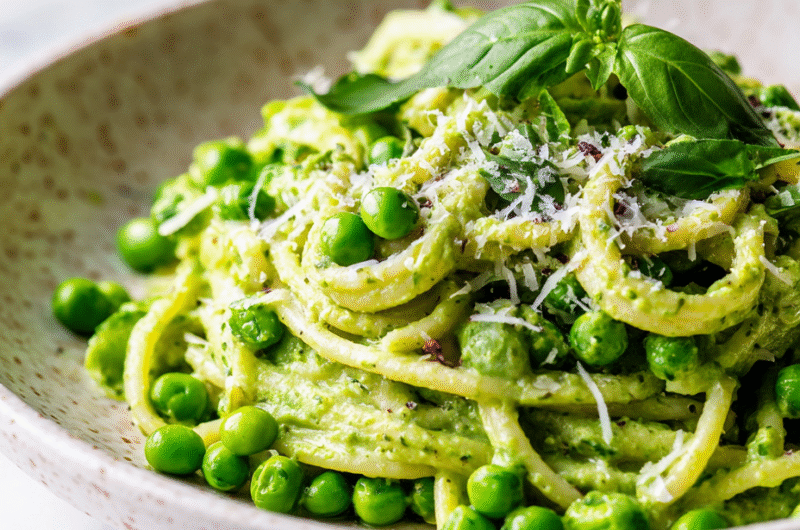
Frozen peas often get a bad rap as just a quick side or soup add-in, but they’re surprisingly versatile in the pasta game. When blitzed into a sauce, they bring a bright, fresh flavor that’s almost spring-like, even in the dead of winter. It’s that unexpected pop of green and sweetness that makes this dish feel like a little celebration on a plate, fast enough for busy weeknights but special enough to serve to friends.
I’ve been experimenting with frozen peas for a while, trying to find ways to make them the star of a dish without losing their natural charm. Turning them into a creamy pasta sauce was an accidental discovery—blending them with a touch of cream and garlic, and suddenly I had something vibrant, comforting, and just a little surprising. It’s become my go-to when I need something quick, fresh, and a little different.
This recipe isn’t just about the peas, though. It’s about the joy of transforming simple ingredients into something that feels bright and satisfying. No fuss, no fancy ingredients—just a honest, straightforward dish that reminds me how a handful of frozen peas can punch way above their weight.
Focusing on the surprising versatility of frozen peas in creating a vibrant, fresh-tasting pasta sauce that’s quick to whip up on busy weeknights.
The story behind this recipe
This creamy pea pasta came from a weekend of rummaging through the freezer and realizing how peas can transform. I was craving something fresh but didn’t have time for a complicated sauce. Blending frozen peas with a bit of garlic, lemon, and cream felt like a gamble that paid off. Now, it’s become my quick comfort dish, proof that simple ingredients can surprise you in the best way.
Key ingredients and tips
- Frozen peas: I love how their natural sweetness pops when blitzed, giving the sauce a vibrant, almost spring-like brightness. Consider briefly steaming if they seem a bit dull before blending.
- Garlic: Its pungent aroma is what kicks off the flavor. If you want a milder touch, roast the garlic beforehand for a smoky depth, or use less if you’re sensitive.
- Cream: I prefer heavy cream for richness, but coconut cream can work if you’re dairy-free. Keep in mind, it might add a subtle coconut note, so adjust to your taste.
- Lemon juice: Brightens everything up—don’t skip it. If you’re out of fresh lemon, a splash of vinegar can mimic that zing, but avoid too much to keep the fresh vibe.
- Pasta: I usually go with something tubular like rigatoni or penne, which hold the sauce well. Whole wheat adds a nutty flavor, but regular pasta keeps it classic and light.
- Parmesan: It’s the finishing touch that adds salt and umami. Pecorino works beautifully if you prefer a sharper tang, but skip if dairy’s an issue.
- Olive oil: Drizzle at the end for a glossy finish and extra flavor. A fruity extra virgin makes a noticeable difference—skip the cheap stuff for better aroma.
Spotlight on key ingredients
Frozen peas:
- I love how their natural sweetness pops when blitzed, giving the sauce a vibrant, almost spring-like brightness. Consider briefly steaming if they seem a bit dull before blending.
- Garlic: Its pungent aroma is what kicks off the flavor. If you want a milder touch, roast the garlic beforehand for a smoky depth, or use less if you’re sensitive.
Lemon and cream:
- Lemon juice: Brightens everything up—don’t skip it. If you’re out of fresh lemon, a splash of vinegar can mimic that zing, but avoid too much to keep the fresh vibe.
- Cream: I prefer heavy cream for richness, but coconut cream can work if you’re dairy-free. Keep in mind, it might add a subtle coconut note, so adjust to your taste.
Notes for ingredient swaps
- Dairy-Free: Swap cream for coconut cream or cashew cream. It’s richer than you might expect, with a subtle nutty sweetness.
- Vegan: Replace Parmesan with nutritional yeast. It adds a cheesy umami flavor without dairy, but won’t melt like cheese.
- Gluten-Free: Use rice or corn pasta instead of wheat. They hold sauce well, but watch for slightly different textures.
- Fresh Peas: Use thawed fresh or blanched snap peas for a slightly firmer bite and a more vibrant color.
- Lemon Juice: If out, a splash of white wine vinegar can mimic that bright acidity, though it’s less zingy.
- Olive Oil: Use avocado oil for a milder, buttery flavor, especially if you want a subtler finish.
- Pasta Type: Whole wheat or legume-based pasta adds nuttiness and fiber, but might alter the sauce’s cling and texture.
Equipment & Tools
- Large skillet or sauté pan: To cook the peas and sauce evenly.
- Blender or immersion stick: To blend peas into a smooth, creamy sauce.
- Slotted spoon: To handle pasta without water.
Step-by-step guide to creamy pea pasta
- Equipment & Tools: Use a large, deep skillet or sauté pan (about 30cm/12 inches) for ample space, a blender or immersion stick for smooth sauce, and a slotted spoon for pasta handling.
- Boil water in your large pan, add a generous pinch of salt, and cook pasta until just al dente (about 1 minute less than package instructions at 100°C/212°F). Reserve 1 cup of pasta water, then drain and set aside.
- While pasta cooks, warm a tablespoon of olive oil in the skillet over medium heat (about 160°C/320°F). Add 2 minced garlic cloves, sauté until fragrant—about 30 seconds, no browning, just a gentle crackle and aroma.
- Add 1.5 cups frozen peas directly to the skillet, cook for 2-3 minutes until bright green and slightly tender, stirring often. They should smell sweet and fresh, and start to crackle slightly.
- Transfer peas and garlic to your blender, add ½ cup heavy cream, 1 tablespoon lemon juice, and a pinch of salt and pepper. Blend until smooth and creamy, about 20 seconds. If too thick, add a splash of reserved pasta water to loosen.
- Return the pea sauce to the skillet. Warm gently over low heat, about 2 minutes, stirring occasionally. It should shimmer and smell vibrant, with no bubbling or separation. If it looks oily or separates, stir in a little more pasta water or cream.
- Add cooked pasta to the sauce, tossing gently to coat evenly. Cook together for 1-2 minutes, letting the flavors meld. The sauce should cling lightly, and the pasta should be hot and glossy.
- Check the pasta’s doneness—taste for a perfect chew, and ensure the sauce is silky and bright. Adjust seasoning with more lemon or salt if needed. Serve immediately, garnished with grated Parmesan if desired.
Serve immediately while warm, with a drizzle of olive oil or a sprinkle of Parmesan. Toss gently for presentation, savoring that fresh, bright aroma with each bite.
How to Know It’s Done
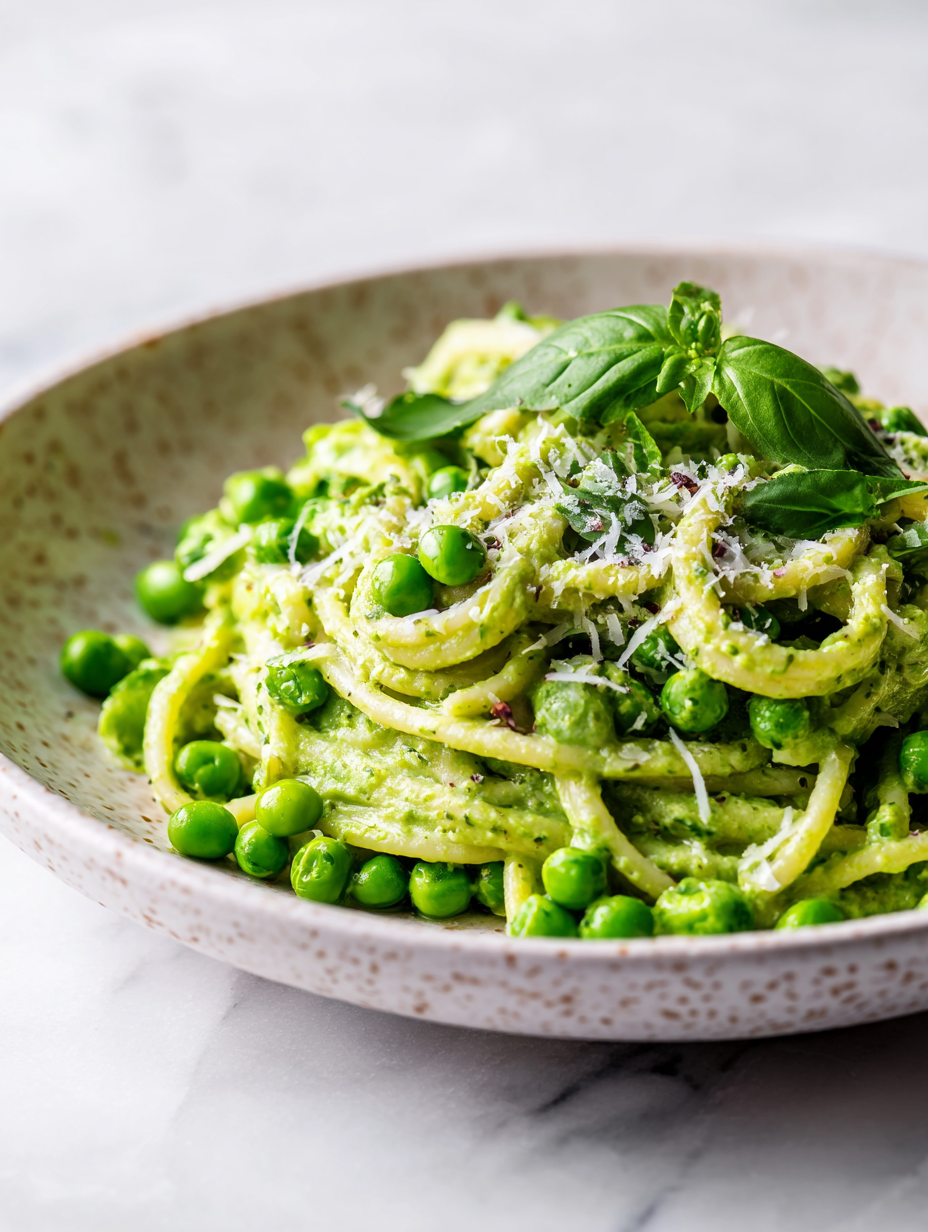
- The sauce is smooth, vibrant green, and smells fresh and bright.
- Pasta is al dente, with a slight bite, not mushy.
- The sauce coats the pasta evenly, with a glossy sheen.
Creamy Frozen Pea Pasta
Ingredients
Equipment
Method
- Bring a large pot of salted water to a boil and cook the pasta until just al dente, about 1 minute less than package instructions. Reserve a cup of pasta water, then drain and set aside.
- While the pasta cooks, heat a tablespoon of olive oil in a large skillet over medium heat. Add the minced garlic and sauté until fragrant, about 30 seconds, until it becomes golden and aromatic.
- Add the frozen peas directly to the skillet and cook for 2-3 minutes, stirring often, until they turn bright green and smell sweet. They should start to crackle slightly as they cook.
- Transfer the cooked peas and garlic to your blender. Pour in the heavy cream, add lemon juice, and season with salt and pepper. Blend until the sauce is smooth, creamy, and vibrant green, about 20 seconds. If it’s too thick, add a splash of reserved pasta water to loosen it up.
- Pour the blended sauce back into the skillet and warm it gently over low heat for about 2 minutes, stirring occasionally. The sauce should shimmer and smell fresh and bright. If it looks oily or separates, stir in a little more pasta water or cream to restore creaminess.
- Add the drained pasta to the skillet with the sauce. Toss gently to coat each piece evenly, letting the pasta soak up the vibrant sauce for 1-2 minutes until hot and glossy.
- Check the seasoning, adjusting with more lemon juice, salt, or pepper as needed. Serve immediately, sprinkled with grated Parmesan cheese and a drizzle of olive oil for extra shine and flavor.
Notes
Pro tips for creamy pea pasta
- Use fresh garlic for a more pungent, aromatic base; crush it well to release maximum flavor.
- When blending peas, add a splash of pasta water to achieve a silky, cohesive sauce texture.
- Sauté peas briefly until vibrant green and fragrant—this enhances their natural sweetness and bright flavor.
- Finish with a drizzle of good-quality olive oil to add gloss and a subtle fruity aroma.
- Taste and adjust lemon or salt at the end—this brightens the sauce and balances richness.
- Keep the heat moderate when warming the sauce to prevent separation or oily texture.
- Reserve some pasta water before draining—it’s perfect for loosening the sauce if needed.
Common mistakes and how to fix them
- FORGOT to taste and adjust seasoning before serving, fix with more lemon or salt.
- DUMPED pasta water into the sauce, strain it first to avoid thinning the sauce too much.
- OVER-TORCHED the garlic, it turns bitter—stir constantly and remove from heat quickly.
- FORGOT to reserve pasta water, add a splash if sauce needs thinning or extra creaminess.
Quick fixes and pantry swaps
- When sauce looks oily, splash in more pasta water to loosen and shimmer.
- If sauce seizes or separates, stir in a splash of warm cream or water.
- Splash lemon juice when the sauce is dull for an instant bright boost.
- Patch over-strong garlic by adding a pinch of sugar or more cream to mellow.
- Shield delicate peas by adding them last, to avoid overcooking and mushiness.
Prep, store, and reheat tips
- Prep the sauce ingredients—blend peas and garlic ahead, then store in an airtight container for up to 24 hours. It keeps the bright, fresh flavor intact.
- Cook the pasta just shy of al dente, drain, then toss with a little olive oil to prevent sticking. Store in a sealed container for up to 2 days in the fridge.
- Refrigerate the assembled sauce separately from the pasta if making in advance—combine and reheat together to preserve texture and flavor.
- To reheat, warm the sauce gently over low heat, stirring often, until steaming and fragrant—look for a shimmer and no separation. Reheat pasta separately until hot, then toss together just before serving.
Top questions about creamy pea pasta
1. Should I cook the peas before blending?
Frozen peas tend to be sweet and vibrant when blitzed, but briefly steaming them first can brighten their color and flavor even more.
2. Can I use reserved pasta water to thin the sauce?
Yes, adding a splash of pasta water helps loosen the sauce, making it silky and easier to coat the pasta evenly.
3. Can I substitute garlic with shallots or onion?
Fresh garlic is more pungent and aromatic, but roasted garlic adds a smoky depth you might prefer for a milder, richer flavor.
4. How do I know when the sauce is ready?
The sauce is done when it’s smooth, bright green, smells fresh and sweet, and coats the pasta in a glossy layer.
5. What if I don’t have heavy cream?
Use heavy cream for richness, or coconut cream for a dairy-free version. Coconut adds a subtle nutty aroma, so adjust accordingly.
6. What should I do if the sauce looks oily or separates?
If the sauce separates or looks oily, stir in a little more pasta water or cream to restore smoothness and shine.
7. Can I omit the lemon or use something else?
Adding lemon juice at the end boosts brightness and balances the creaminess. A splash of vinegar can work if lemon isn’t available.
8. Can I use different pasta shapes?
Using tubular pasta like penne or rigatoni helps hold the sauce well. Whole wheat adds nuttiness, but regular pasta is lighter.
9. Should I add cheese on top?
Finish with a drizzle of good olive oil and grated Parmesan for extra flavor. Skip if dairy-free or vegan.
10. How do I store leftovers and reheat them?
Refrigerate the sauce separate from pasta if making ahead. Reheat gently over low heat, stirring until steaming and fragrant.
This dish is a reminder that simple ingredients, when treated with a bit of care, can surprise you with their vibrancy and flavor. It’s perfect for nights when you want something quick but still satisfying and fresh. Plus, it’s a good excuse to get that bright green color on your plate, even in the middle of winter.
In the end, this creamy pea pasta is about those small moments—scraping the last bits of sauce, smelling the garlic and lemon, feeling the comforting texture of tender pasta. It’s a humble dish, but one that’s easy to turn to when you want something honest and a little bit lively. Sometimes, that’s exactly what you need.

Hi there! I’m Himani and welcome to Val’s Recipe Box. This little corner of the internet didn’t begin with me. It began with Val my neighbourhood aunt whose kitchen held more warmth than any fireplace ever could.


 This little corner of the internet didn’t begin with me.
It began with Val my neighbourhood aunt whose kitchen held more warmth than any fireplace ever could.
She was more of a friend and I’ve come to know her in the most unexpected way.
This little corner of the internet didn’t begin with me.
It began with Val my neighbourhood aunt whose kitchen held more warmth than any fireplace ever could.
She was more of a friend and I’ve come to know her in the most unexpected way.