
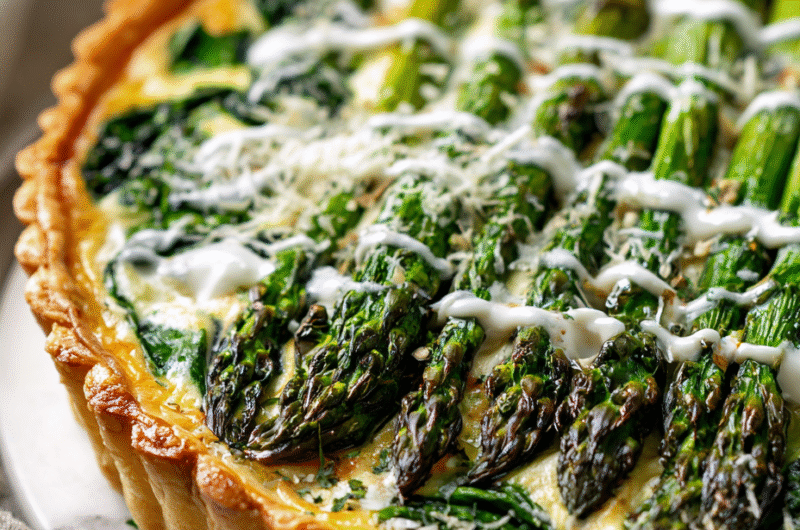
This asparagus and spinach quiche is a nod to spring, when the produce is at its brightest and most tender. I’ve always loved how the sweetness of fresh asparagus pairs with the earthy notes of spinach, all wrapped in a flaky crust. It’s simple, honest cooking that captures the fleeting beauty of the season.
What makes this recipe stand out for me is how it’s a bit of a balancing act—getting that vibrant green flavor without overpowering the creamy custard. I’ve fussed over the timing, making sure the veggies are just tender enough, and that the crust stays crisp and buttery. It’s a dish that feels like a little celebration of spring, no fancy ingredients needed, just good, fresh produce.
This recipe focuses on how using only fresh, peak-season asparagus and spinach elevates the simple quiche, turning it into a celebration of spring’s fleeting bounty. I love the challenge of balancing their vibrant flavors without overpowering the delicate custard base.
The story behind this recipe
This quiche came about on a spring weekend when I had a handful of fresh asparagus and a bunch of spinach that needed using up fast. I remember standing in my kitchen, the sunlight catching the green, feeling a little overwhelmed by how fleeting this season is. Making this dish became a way to slow down and savor those bright, earthy flavors before they slipped away, and it’s become a little ritual I turn to whenever I want a taste of spring’s quiet joy.
Component Highlights
- Asparagus: I love the snap and grassy aroma when fresh asparagus hits the pan, but if yours is a bit limp, blanch it briefly first. You want that tender-crisp bite, not soggy strings.
- Spinach: When fresh, it wilts down to almost nothing, so don’t be shy with a big bunch. Sauté until just wilted and bright green, then squeeze out excess moisture—no soggy crusts!
- Eggs and Cream: The custard base is what holds it all together. I prefer a mix of whole eggs and a splash of cream for richness, but a little milk works if you’re in a pinch. Whisk until smooth and slightly frothy.
- Cheese: A sharp Gruyère adds depth, but I often toss in some parmesan for a salty punch. Grate it fresh; pre-shredded can be a little dull and dusty.
- Pie Crust: I use a flaky homemade crust, but a good-quality store-bought works too. Keep it cold and don’t overwork the dough—flakiness is key. Blind bake until golden and crisp, about 15 minutes at 200°C/400°F.
- Herbs & Seasonings: A pinch of nutmeg in the custard lifts the flavor, and fresh thyme or chives add a subtle herbal note. Keep it simple—these are the supporting players.
- Salt & Pepper: Season every component carefully. The salt wakes up the veggies, and freshly ground pepper adds a bit of bite—don’t skimp. Taste as you go to balance flavors.
Spotlight on key ingredients
Asparagus and Spinach:
- Asparagus: I love the snap and grassy aroma when fresh asparagus hits the pan, but if yours is a bit limp, blanch it briefly first. You want that tender-crisp bite, not soggy strings.
- Spinach: When fresh, it wilts down to almost nothing, so don’t be shy with a big bunch. Sauté until just wilted and bright green, then squeeze out excess moisture—no soggy crusts!
Notes for ingredient swaps
- Dairy-Free: Swap heavy cream for coconut milk or cashew cream; results will be slightly lighter and less rich.
- Vegan Cheese: Use plant-based cheese shreds; flavor is milder but still melty and satisfying.
- Gluten-Free Crust: Replace regular pie crust with a gluten-free version made from almond flour or gluten-free blend; watch for a different texture.
- Egg Substitute: Mix 1 tablespoon ground flaxseed with 3 tablespoons water per egg or use commercial egg replacers; custard will be a bit denser.
- Spinach: Substitute with kale or Swiss chard; cook thoroughly to tame bitterness, especially with kale.
- Asparagus: Use green beans or tender broccoli spears; aim for similar snap and freshness, adjust cooking times slightly.
- Cheese: Swap Gruyère for feta or ricotta for a different flavor profile; feta adds saltiness, ricotta adds creaminess.
Equipment & Tools
- 23cm (9-inch) tart pan: To shape and bake the crust evenly.
- Saucepan: For blanching asparagus and wilting spinach.
- Skillet: To sauté vegetables and remove moisture.
- Mixing bowl: To whisk custard ingredients.
- Whisk: For smooth custard mixture.
- Oven: To bake the quiche.
- Cooling rack: To rest the baked quiche and prevent sogginess.
Step-by-step guide to quiche
- Preheat your oven to 200°C (390°F). Roll out your pie crust and fit it into a 23cm (9-inch) tart pan. Blind bake for 15 minutes until lightly golden; set aside to cool slightly.
- While crust bakes, prepare the asparagus. Snap off the woody ends, then cut into 4-5cm (1.5-inch) pieces. Blanch in boiling water for 2 minutes, then transfer to an ice bath to halt cooking. Drain and pat dry.
- In a large skillet over medium heat, add a drizzle of olive oil. Sauté the asparagus for 3-4 minutes until just tender. Remove and set aside. In the same pan, add another splash of oil, toss in spinach, and cook until wilted, about 2 minutes. Squeeze out excess moisture and chop roughly.
- In a mixing bowl, whisk together 4 large eggs and 150ml (⅔ cup) heavy cream until smooth and slightly frothy. Season with salt, pepper, and a pinch of nutmeg. Stir in grated cheese and herbs if using.
- Spread the cooked asparagus and spinach evenly over the pre-baked crust. Pour the custard mixture over the top, ensuring an even distribution. Bake in the oven at 180°C (355°F) for 30-35 minutes until the filling is just set and slightly golden around the edges.
- Check the quiche’s doneness: it should jiggle slightly in the center when gently shaken, and the top should be lightly golden. If the edges brown too quickly, cover with foil for the remaining bake time.
- Remove from oven and let it rest for 10 minutes. This helps the custard firm up and makes slicing cleaner. Gently transfer to a serving plate, cut into wedges, and serve warm or at room temperature.
Allow the quiche to rest for 10 minutes on a cooling rack before slicing. Serve warm or at room temperature, garnished with fresh herbs if desired. Slice with a sharp knife for clean cuts.
How to Know It’s Done
- Center jiggles slightly when moved, indicating it’s set but still tender.
- Top is golden and slightly crispy, with no runny custard visible.
- Crust remains crisp, not soggy, especially at the edges.
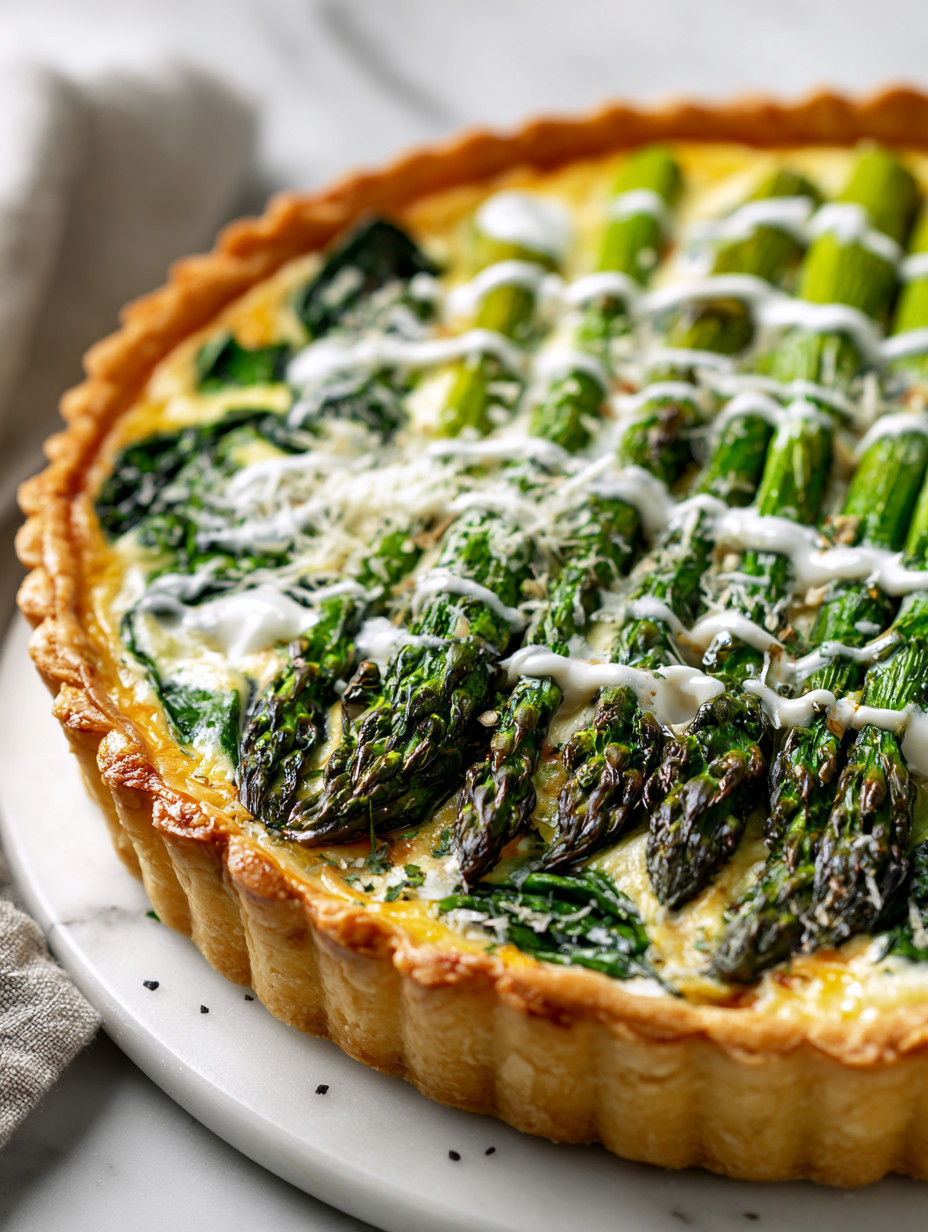
Spring Asparagus and Spinach Quiche
Ingredients
Equipment
Method
- Preheat your oven to 200°C (390°F). Roll out your pie crust on a lightly floured surface and fit it into your tart pan. Blind bake for 15 minutes until the crust is lightly golden, then set aside to cool slightly.
- While the crust bakes, trim the woody ends from the asparagus. Cut the spears into 4-5cm (1.5-inch) pieces. Blanch the asparagus in boiling water for about 2 minutes until tender-crisp, then transfer to an ice bath to stop the cooking and preserve color. Drain thoroughly.
- In a skillet over medium heat, add a drizzle of olive oil. Sauté the asparagus for 3-4 minutes until they are just tender and fragrant. Remove from heat and set aside.
- In the same skillet, add a little more oil if needed, then toss in the spinach. Cook until wilted, about 2 minutes. Squeeze out as much excess moisture as possible, then chop roughly and set aside.
- In a mixing bowl, whisk together the eggs and heavy cream until the mixture is smooth and slightly frothy. Stir in the grated Gruyère, nutmeg, herbs, salt, and pepper. This creates a rich custard base.
- Spread the sautéed asparagus evenly over the partially baked crust. Add the wilted spinach on top, distributing it evenly. Pour the custard mixture carefully over the vegetables, filling the crust.
- Bake the quiche in the oven at 180°C (355°F) for 30-35 minutes. The filling should be just set with a slight jiggle in the center and the top golden brown. Cover the edges with foil if they brown too quickly.
- Once baked, remove the quiche from the oven and let it rest on a cooling rack for about 10 minutes. This helps the custard set further and makes slicing neater.
- Slice the quiche into wedges with a sharp knife, revealing the vibrant green vegetables and creamy custard. Serve warm or at room temperature, enjoying the flaky crust and flavorful filling.
Pro tips for perfect quiche
- Use a sharp knife for asparagus to maintain a clean snap and avoid mushy pieces.
- Sauté spinach until just wilted to keep its vibrant color and avoid excess moisture in the filling.
- Chill your crust dough thoroughly before rolling to prevent shrinking during baking.
- Blind bake the crust until golden for a sturdy base that won’t get soggy from the filling.
- Whisk custard ingredients until frothy to ensure a smooth, even filling with no lumps.
- Check for doneness by gently shaking the quiche—center should jiggle slightly but not be runny.
- Rest the baked quiche for at least 10 minutes; this helps the custard set and makes slicing easier.
Common mistakes and how to fix them
- FORGOT to preheat oven → Always heat oven before baking to ensure even cooking.
- DUMPED filling too early → Let the quiche rest 10 minutes to set properly before slicing.
- OVER-TOASTED crust → Keep an eye on the crust during blind baking to prevent burning.
- MISSED moisture squeeze from spinach → Squeeze out excess water to avoid soggy crusts.
Quick fixes and pantry swaps
- When asparagus is limp, splash in boiling water for 30 seconds to revive firmness.
- If the filling cracks during baking, patch with a dab of custard and bake a few minutes longer.
- Splash a little lemon juice when spinach turns dull to brighten its color and flavor.
- Patch over any crust tears with extra dough or a bit of egg wash before baking.
- Shield the edges of your crust with foil if they brown too quickly during the last 10 minutes.
Prep, store, and reheat tips
- Prep the crust and blind bake it up to 2 days ahead. Keep it in an airtight container at room temperature, and re-crisp in a 180°C (355°F) oven for 5 minutes before filling.
- Blanch and chop the asparagus a day in advance. Store in an airtight container in the fridge; the vibrant green will fade slightly after a day.
- Sauté and squeeze out excess moisture from the spinach a day ahead. Keep in an airtight container in the fridge for up to 24 hours to prevent sogginess.
- Assemble the filling a few hours before baking. Cover tightly and refrigerate; the custard may thicken slightly but will loosen when whisked again before baking.
- Reheat slices in a 160°C (320°F) oven for 10 minutes until warmed through. The aroma of baked custard and crispy crust will re-emerge, with a tender, flaky bite.
Top questions about asparagus and spinach quiche
1. How do I choose the best asparagus and spinach for this quiche?
Fresh asparagus should be firm with tightly closed tips, and spinach leaves bright and crisp when buying. During cooking, asparagus should be tender-crisp, with a grassy aroma, while spinach wilts quickly, turning a vibrant green and releasing excess moisture.
2. What’s the best way to prep asparagus and spinach before adding to the quiche?
Blanch the asparagus for 2 minutes in boiling water, then dunk in ice water to retain color and crunch. Squeeze out all excess moisture from spinach to prevent a soggy crust. Both steps preserve flavor and texture.
3. How should I cut and prepare the vegetables for even cooking?
Use a knife to cut asparagus into 4-5cm pieces after blanching. For spinach, squeeze out as much water as possible after wilting. Both should be cooked just enough to keep their bright flavor and avoid excess moisture.
4. How do I know when the quiche is fully baked?
Bake the quiche at 180°C (355°F) for 30-35 minutes until the custard is just set, with a slight jiggle in the center. The top should be golden and crispy. A knife inserted near the center should come out clean, and the filling should feel firm but tender.
5. What are common baking mistakes and how can I fix them?
If the crust starts browning too quickly, cover it loosely with foil. If the filling cracks, gently patch with a bit of custard. For uneven cooking, rotate the quiche halfway through baking.
6. How should I serve and rest the quiche for best results?
Use a sharp knife for clean slices, and let the quiche rest for 10 minutes after baking. This helps the custard set and makes slicing easier without cracking. Serve at room temperature or slightly warm.
7. Can I make this quiche ahead of time?
You can prepare the crust a day ahead and keep it in a cool place. Vegetables can be cooked a few hours in advance, then assembled before baking. Reheat slices at 160°C (320°F) for 10 minutes to preserve texture and flavor.
8. What do I do if the filling is too watery?
If the filling is too runny, add a bit more grated cheese or an extra egg. To prevent sogginess, ensure moisture is squeezed out properly from the vegetables. Use a pre-baked crust for best results.
9. What are good substitutions for ingredients in this quiche?
For a dairy-free version, use coconut milk or cashew cream instead of heavy cream. For vegan cheese, try plant-based shreds. Gluten-free crusts made from almond flour work well, but may be slightly denser.
10. What makes asparagus and spinach stand out in this dish?
Asparagus offers a tender, grassy aroma with a slight snap, especially when fresh. Spinach wilts quickly, turning bright green and releasing a mild, earthy scent. Both ingredients add a fresh, vibrant flavor that’s unmistakable once cooked.
This quiche is more than just a breakfast or brunch option; it’s a reminder to slow down and appreciate the fleeting beauty of spring produce. The combination of tender asparagus and vibrant spinach captures the season’s fresh, earthy notes in every bite.
Sharing this dish with friends or family feels like a small celebration, a way to savor those bright, fleeting moments of early warmth. It’s simple, honest cooking that keeps me grounded and grateful for the little seasonal joys.

Hi there! I’m Himani and welcome to Val’s Recipe Box. This little corner of the internet didn’t begin with me. It began with Val my neighbourhood aunt whose kitchen held more warmth than any fireplace ever could.


 This little corner of the internet didn’t begin with me.
It began with Val my neighbourhood aunt whose kitchen held more warmth than any fireplace ever could.
She was more of a friend and I’ve come to know her in the most unexpected way.
This little corner of the internet didn’t begin with me.
It began with Val my neighbourhood aunt whose kitchen held more warmth than any fireplace ever could.
She was more of a friend and I’ve come to know her in the most unexpected way.