
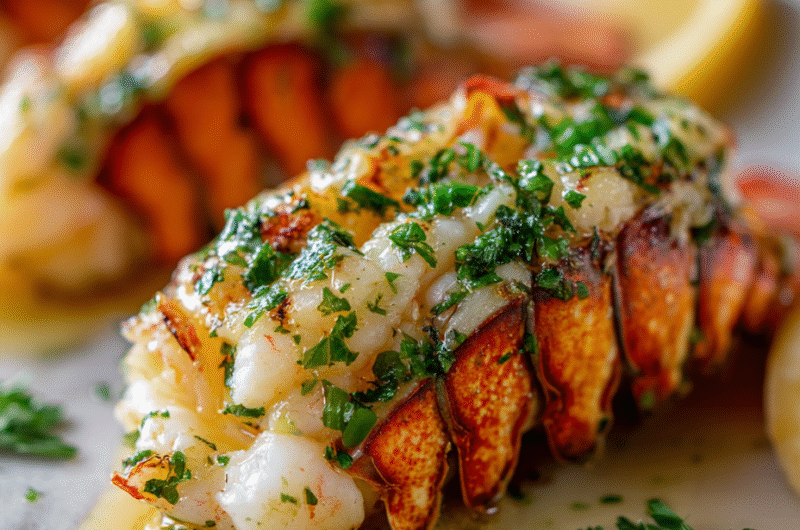
Lobster tails often feel like a special occasion thing, but honestly, a simple garlic herb marinade can flip that script. It’s surprising how a few honest ingredients—garlic, fresh herbs, butter—can turn a modest piece of seafood into a luxurious, everyday treat. This recipe is my go-to when I want something fancy but don’t want to fuss too much after a long day.
I’ve learned that even the most elegant dishes don’t need to be complicated. Just a quick marinade, a hot pan, and a few minutes of patience, and you’re tasting something that feels like it took hours to prepare. It’s about making lobster approachable, without sacrificing that rich, tender bite and the bright, aromatic punch of herbs and garlic.
Cooking lobster this way reminds me that luxury doesn’t have to be reserved for weekends or special events. It’s about the little moments when you pause, breathe in the garlic and herbs, and appreciate how simple ingredients can elevate a humble dinner into something memorable.
Focusing on how a simple garlic herb marinade can elevate lobster tails from special occasion to everyday luxury, making it approachable and doable even on busy weeknights.
The story behind this recipe
- This recipe came about during a weekend trip to coastal Maine, where I watched a local chef brush lobster tails with garlic butter while the ocean breeze carried the smell inland. It struck me how such a simple act—basting with herbs and butter—could make the lobster both fragrant and irresistibly juicy. Ever since, I’ve been trying to recreate that effortless magic in my own kitchen.
- One time, I was rushing home after a long day and remembered that lobster from the market. Instead of fussing over complicated sauces, I threw together what I had: garlic, fresh herbs, butter. The aroma instantly made the kitchen feel special, even if I was just in sweatpants. That moment reminded me how basic ingredients, treated right, can turn an ordinary weeknight into a celebration.
- heading
Key ingredients and tips
- Lobster tails: I love how the sweet, briny flavor really shines when lightly cooked. Make sure to buy fresh, firm tails, and don’t overcook—firm, tender meat is the goal.
- Garlic: I use plenty of garlic because it becomes mellow and fragrant when cooked. If you’re sensitive, start with less and add more after tasting, aiming for that aromatic, slightly smoky note.
- Fresh herbs: Parsley, thyme, or tarragon—each adds a different vibe. I prefer parsley for a bright pop, but try thyme if you want earthier undertones that stand up to the butter.
- Butter: I opt for unsalted, good-quality butter because it’s rich and velvety, and it helps carry the herbs and garlic. If you want a lighter touch, blend in a splash of olive oil, but don’t skip the butter altogether.
- Lemon: Brightens everything up—juice or zest, both work. I love squeezing fresh lemon right before serving, it cuts through the richness and adds a fresh zing.
- Olive oil: Just a drizzle to help the marinade cling. Use a good extra virgin for that fruity, peppery kick, especially if you want an extra layer of flavor.
- Salt & pepper: Always season generously at the start. I prefer flaky sea salt for crunch and flavor, and freshly cracked black pepper for a little bite that wakes up the herbs.
Spotlight on key ingredients
Garlic & Lobster:
- Lobster tails: I love how the sweet, briny flavor really shines when lightly cooked. Make sure to buy fresh, firm tails, and don’t overcook—firm, tender meat is the goal.
- Garlic: I use plenty of garlic because it becomes mellow and fragrant when cooked. If you’re sensitive, start with less and add more after tasting, aiming for that aromatic, slightly smoky note.
Notes for ingredient swaps
- Dairy-Free: Use coconut oil or a dairy-free butter substitute. It won’t be as rich but still adds good flavor.
- Herb Variations: Swap parsley for cilantro or basil for a different fresh herbal note. Fresh is best for vibrant flavor.
- Lobster Alternatives: If lobster isn’t available, large shrimp or scallops can work—they cook quickly and absorb the marinade well.
- Garlic Options: Roasted garlic offers a sweeter, milder taste, while garlic powder speeds things up if fresh isn’t handy.
- Lemon Substitutes: Lime or vinegar can brighten the dish—use sparingly and taste as you go to avoid overpowering.
- Butter Swap: Clarified butter or ghee can be used for a nutty, slightly different flavor profile, especially if you’re watching dairy intake.
- Olive Oil: Use a mild, fruity extra virgin for a richer aroma; skip if you want a lighter, less greasy finish.
Equipment & Tools
- Boning knife: To carefully cut along the lobster shell without damaging the meat.
- Baking sheet with wire rack: Ensures even heat distribution around the lobster for uniform cooking.
- Pastry brush: To apply the marinade evenly over the lobster meat.
Step-by-step guide to garlic herb lobster
- Equipment & Tools: Gather a sharp boning knife (for precise lobster splitting), a baking sheet with a wire rack (for even cooking), and a pastry brush (for marinade application).
- Preheat your oven to 200°C (390°F). Set up the wire rack on the baking sheet to allow even heat circulation.
- Using the boning knife, carefully cut along the top of each lobster tail shell, from the fan end down to the base, without slicing through the meat. Gently lift and loosen the meat, keeping it attached at the base.
- Pat the lobster meat dry with paper towels. This helps the marinade cling and prevents steaming.
- Mix melted unsalted butter, minced garlic, chopped fresh herbs (parsley, thyme), lemon juice, olive oil, salt, and pepper in a small bowl. Brush this marinade generously over the lobster meat, ensuring good coverage.
- Place the lobster tails on the wire rack, shell side down, and bake for about 12-15 minutes. The lobster is done when the meat turns opaque and starts to slightly brown on top.
- Halfway through, baste again with the marinade to keep the meat moist and flavorful. The aroma of garlic and herbs should fill the kitchen by now.
- Check for doneness: the meat should jiggle slightly when moved, and you should see a vibrant, opaque color. The shells might have a slight shimmer or crackle from the butter.
- Remove from oven, tent loosely with foil, and let rest for 2 minutes. This helps juices redistribute and keeps the meat tender.
- Serve immediately with a squeeze of fresh lemon and a sprinkle of herbs. Plating directly on a warm platter keeps it cozy and inviting.
Once out of the oven, let the lobster rest for 2 minutes. Serve straight from the rack or transfer to a warm platter. Garnish with extra herbs and lemon wedges for that bright contrast.
How to Know It’s Done
- Lobster meat is opaque and firm, with a slight bounce when pressed.
- The shells develop a subtle crackle and shimmer from the butter caramelization.
- A fragrant garlic-herb aroma fills the air, signaling readiness.
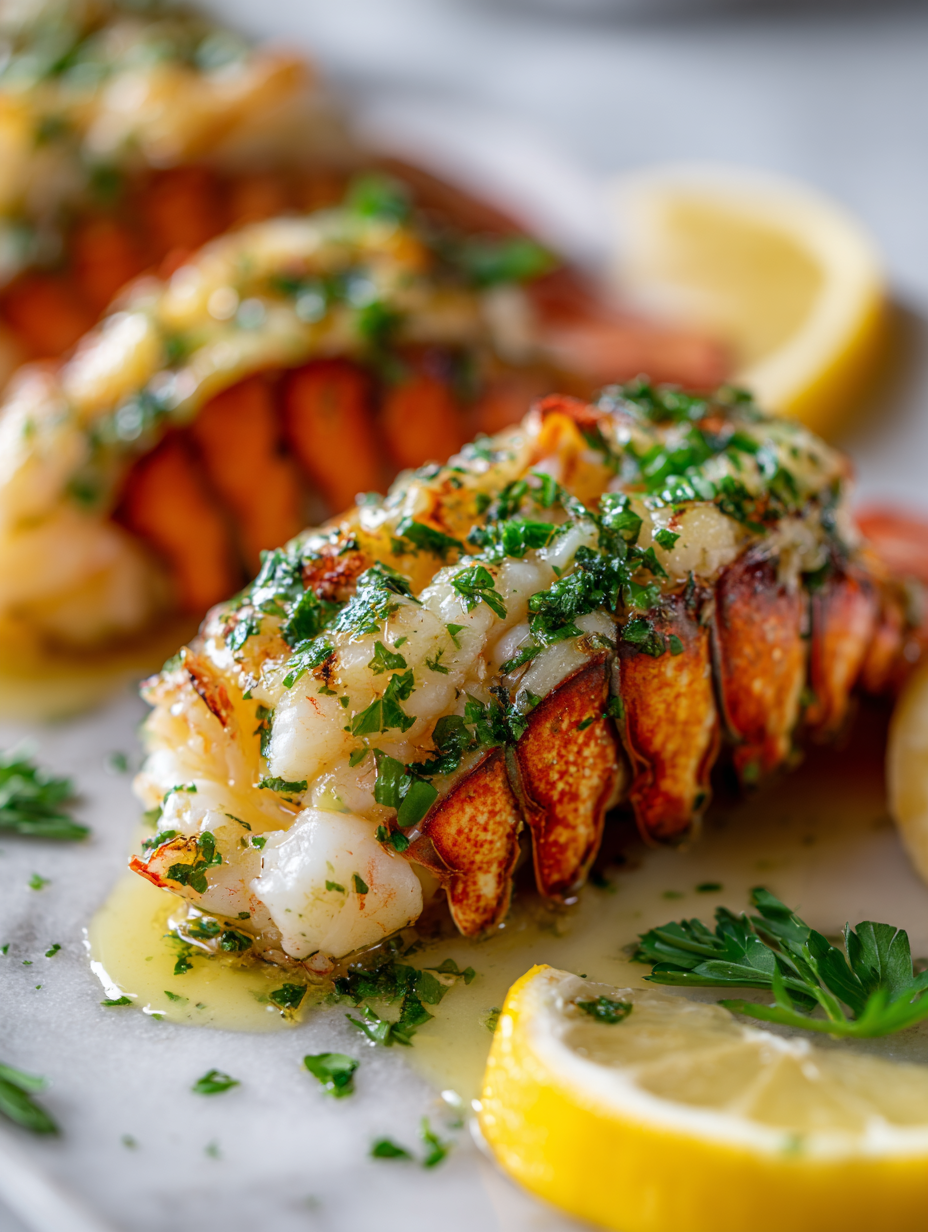
Garlic Herb Lobster Tails
Ingredients
Equipment
Method
- Preheat your oven to 200°C (390°F) and set up a baking sheet fitted with a wire rack.
- Using a sharp boning knife, carefully cut along the top of each lobster tail shell from the fan end down to the base, being gentle to avoid slicing through the meat. Gently lift the shell and loosen the meat, keeping it attached at the base.
- Pat the lobster meat dry with paper towels to help the marinade adhere better and prevent steaming during baking.
- In a small bowl, whisk together melted butter, minced garlic, chopped herbs, lemon juice, olive oil, salt, and pepper to make the marinade.
- Using a pastry brush, generously brush the marinade over the exposed lobster meat, ensuring good coverage for flavor and moisture.
- Place the lobster tails shell side down on the wire rack on the baking sheet. Bake in the preheated oven for 12-15 minutes, until the meat turns opaque and starts to develop a slight golden hue on top.
- Halfway through, baste the lobster with additional marinade using the brush to keep it moist and boost flavor.
- Check for doneness by ensuring the meat is opaque and firm, with a slight jiggle when gently pressed, and observe a beautiful golden top.
- Remove from the oven, tent loosely with foil, and let rest for 2 minutes to allow the juices to redistribute for maximum tenderness.
- Squeeze fresh lemon over the lobster and sprinkle with additional herbs before serving for a bright, aromatic finish.
Pro tips for perfect lobster
- Use a hot pan to sear the lobster shell side for a caramelized, aromatic edge.
- Baste the lobster generously with marinade during baking to keep it moist and flavorful.
- When slicing the shell, press gently to avoid tearing the delicate meat inside.
- Check for doneness by the opaque color and a slight jiggle—overcooking ruins that tender bite.
- Finish with a squeeze of lemon and a sprinkle of herbs to brighten the rich, buttery flavors.
- Keep lobster uncovered in the oven for the last minute to develop a light, crisp top.
- Rest the lobster for 2 minutes after baking; this redistributes juices and enhances tenderness.
Common mistakes and how to fix them
- OVERCOOKED: Lobster becomes rubbery if cooked too long. Use visual cues and timer.
- UNDERSEASONED: Skimping on salt dulls flavors. Season generously early to build layers.
- IGNORING REST TIME: Cutting into hot lobster causes juices to escape. Rest for 2 minutes.
- USING LOW-QUALITY BUTTER: Impacts richness. Choose good, unsalted butter for depth of flavor.
Fast kitchen rescue tips
- When sauce separates, splash in a teaspoon of cold water and whisk vigorously.
- If lobster shells crack or crackle, shield with foil for gentle heat redistribution.
- DUMPED too much garlic? Rinse and start fresh with a new batch of marinade.
- Over-torched? Quickly add a pat of butter and cover to mellow the charred flavor.
- When in doubt, pantry swap olive oil for a splash of chicken broth for moisture and umami.
Prep, store, and reheat tips
- Prep the marinade: Mix garlic, herbs, and butter a day in advance. The flavors meld overnight, making the lobster extra fragrant.
- Split and clean the lobster tails ahead of time. Keep them covered in the fridge for up to 24 hours, ensuring they stay moist and fresh.
- Store cooked lobster in an airtight container in the fridge for up to two days. The butter and herbs intensify, so expect richer bites upon reheating.
- Reheat gently in a 150°C (300°F) oven, basting with fresh butter or herbs. The lobster should be warmed through without drying out, maintaining a tender, juicy texture.
- Smell and texture notes: The reheated lobster will carry a faint garlic aroma with a slightly firmer bite, but the herbs and butter will still shine through.
Frequently Asked Questions about Garlic Herb Lobster Tail
1. What does garlic herb lobster smell like?
A bright, fragrant burst of garlic with a hint of fresh herbs. The butter keeps it tender and juicy, while the oven baking develops a slight caramelized aroma.
2. How can I tell if lobster tail is fresh?
Look for firm, bright red lobster tails with tightly closed shells. The meat should be opaque and slightly springy when pressed.
3. How do I prepare lobster tails properly?
Use a sharp boning knife to cut along the shell, then gently lift the meat without tearing. Pat it dry before marinating for best flavor absorption.
4. What’s the ideal cooking time for lobster tails?
Bake at around 200°C (390°F) for 12-15 minutes. The meat should turn opaque and firm, with a slight golden hue on top.
5. Can I use other seafood instead of lobster?
Yes, you can substitute with large shrimp or scallops. They cook quickly, and the marinade will still boost their flavor nicely.
6. What kind of garlic works best?
Use fresh garlic for a mellow, fragrant aroma. Roasted garlic adds sweetness, while garlic powder speeds up prep but might be less vibrant.
7. Should I add lemon juice?
A squeeze of lemon brightens the dish, cutting through the richness of the butter and adding a fresh, zesty note.
8. How do I reheat cooked lobster without overcooking?
Reheat gently in a 150°C (300°F) oven, basting with fresh butter or herbs. The lobster should be warmed through but not dried out.
9. How can I avoid overcooking lobster?
Overcooking makes the lobster tough and rubbery. Use visual cues like color change and a slight jiggle to judge doneness.
10. What are essential ingredients for this dish?
Use a good-quality unsalted butter for richness. Fresh herbs like parsley or thyme add vibrant flavor, and olive oil helps the marinade cling.
Cooking this garlic herb lobster tail reminds me that simple, honest ingredients can turn a seafood dinner into a memorable moment. It’s about sensing the aroma of garlic and herbs mingling with the rich butter, and feeling that tender, juicy bite on your tongue. Sometimes, the most straightforward approach yields the most satisfying results.
In a world full of fancy gadgets and complex recipes, this dish keeps it real with just a few essentials and a gentle touch. It’s perfect for those nights when you want something special but don’t want to fuss, and it always manages to feel like a small celebration in every bite.

Hi there! I’m Himani and welcome to Val’s Recipe Box. This little corner of the internet didn’t begin with me. It began with Val my neighbourhood aunt whose kitchen held more warmth than any fireplace ever could.


 This little corner of the internet didn’t begin with me.
It began with Val my neighbourhood aunt whose kitchen held more warmth than any fireplace ever could.
She was more of a friend and I’ve come to know her in the most unexpected way.
This little corner of the internet didn’t begin with me.
It began with Val my neighbourhood aunt whose kitchen held more warmth than any fireplace ever could.
She was more of a friend and I’ve come to know her in the most unexpected way.