
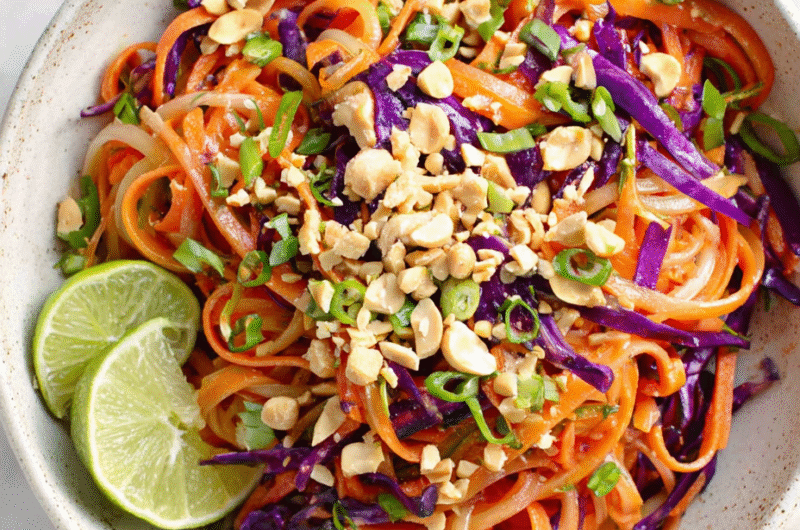
Focusing on seasonal root vegetables in my vegetable Pad Thai adds a whole new dimension to this classic dish. The earthy sweetness of carrots, parsnips, and even some roasted beets brings a cozy, hearty vibe perfect for chilly nights. It’s like comfort food with a fresh, veggie-forward twist that makes you feel both satisfied and a little clever for reinventing such a familiar favorite.
This version started as an experiment after I realized I had a bunch of root vegetables lingering in my fridge. I wanted something quick, nourishing, and different enough to shake up my usual takeout routine. Turns out, those humble roots add a wonderful texture and deepen the flavor, making each bite feel a bit more substantial, a bit more homey.
Now, I keep coming back to this dish when I need a reminder that vegetables can stand front and center, not just as sides. It’s surprisingly forgiving—adjusting to what’s seasonal or what’s in your drawer—and it’s become a go-to for busy weeknights that demand something warm and satisfying, yet bright and fresh.
Focusing on how using seasonal root vegetables transforms the texture and flavor of traditional Pad Thai, making it a cozy, earthy twist perfect for chilly evenings.
Root Vegetables’ Cozy Transformation
- Using seasonal root vegetables makes the dish feel like a warm hug in a bowl on cold nights.
- I love how the earthy sweetness of carrots and parsnips adds a surprising depth to the familiar Pad Thai flavor.
- There’s a quiet joy in turning humble vegetables into something vibrant and satisfying, especially when it’s quick to make.
- This recipe reminds me that vegetables can be the star, not just a side, and that simplicity often tastes the best.
- Every time I make it, I feel a little proud for reinventing a classic with just a few seasonal tweaks.
Root Vegetables’ Cozy Transformation
One chilly evening, I was rummaging through my fridge and found a bunch of neglected vegetables—carrots, daikon, and a lonely bell pepper. Instead of my usual stir-fry, I tossed them with some noodles and sauce, and it turned into this surprisingly vibrant Pad Thai. That night, I realized how seasonal vegetables can really brighten up a dish, making it feel fresh and comforting all at once. It’s become my go-to when I want something quick, nourishing, and a little bit inventive.
History and Fun Facts
- Pad Thai’s origins trace back to 1930s Thailand, blending Chinese stir-fry techniques with local flavors.
- Vegetable versions likely emerged during times of scarcity, highlighting adaptability and resourcefulness in Thai cuisine.
- The dish became globally popular in the 1970s, often customized with local vegetables and ingredients.
- Traditionally, Pad Thai was a street food, cooked fresh on bustling stalls with a quick, fiery wok toss.
- Using seasonal vegetables in Pad Thai is a modern twist, emphasizing freshness and local produce in contemporary kitchens.
Key ingredients and tips
- Carrots: I love how their natural sweetness caramelizes slightly when stir-fried, adding a smoky note. Swap in daikon for a milder crunch, but skip the sweetness.
- Tofu: Firm tofu gives a nice, chewy bite that absorbs flavors well. Press out excess moisture to prevent sogginess, or try tempeh for a nuttier flavor.
- Peanuts: Toasted peanuts add crunch and richness. Use crushed cashews if you want a different nutty vibe, but don’t skip the toasting—it’s worth the crackle.
- Fish sauce: It’s the backbone of authentic flavor—salty, umami, and briny. For a vegan version, try soy sauce mixed with a splash of seaweed broth, but it won’t be quite the same.
- Lime: Brightens everything with a zing that cuts through the richness. Freshly squeezed is best—avoid bottled lime juice for that vibrant, citrus punch.
- Rice noodles: They’re tender and slightly chewy when cooked just right. Use soba or glass noodles if you’re out, but reduce cooking time to prevent sogginess.
- Vegetables: Bell peppers, snap peas, and scallions bring color and crunch. Feel free to add shredded cabbage or bok choy for extra freshness and texture.
Spotlight on key ingredients
Carrots, Tofu, Peanuts:
- Carrots: I love how their natural sweetness caramelizes slightly when stir-fried, adding a smoky note. Swap in daikon for a milder crunch, but skip the sweetness.
- Tofu: Firm tofu gives a nice, chewy bite that absorbs flavors well. Press out excess moisture to prevent sogginess, or try tempeh for a nuttier flavor.
- Peanuts: Toasted peanuts add crunch and richness. Use crushed cashews if you want a different nutty vibe, but don’t skip the toasting—it’s worth the crackle.
Notes for ingredient swaps
- Vegetables: Carrots work great for sweetness, but daikon adds a milder crunch. Beets give a deep earthiness—use sparingly so they don’t overwhelm.
- Noodles: Rice noodles are classic, but soba or glass noodles can work in a pinch. Just reduce cooking time to avoid mushiness.
- Fish sauce: For vegan, swap in soy sauce with a splash of seaweed broth—less briny, but still savory.
- Peanuts: Toasted peanuts are ideal, but crushed cashews add a different nutty richness. Skip if allergic, but try sunflower seeds for crunch.
- Lime: Fresh lime juice brightens everything. Bottled lime won’t give the same zing—best to squeeze fresh for that lively citrus pop.
- Tofu: Firm tofu is best for texture, but tempeh offers a nuttier bite. Press out excess moisture to avoid sogginess.
- Sweetener: Brown sugar adds depth, but honey or maple syrup can be used. Adjust quantity for sweetness level.
Equipment & Tools
- Wok or large skillet: High heat stir-frying for quick, even cooking.
- Sharp knife: Precise vegetable prep.
- Cutting board: Safe, stable surface for chopping.
- Small bowl: Mixing sauce ingredients.
- Tongs or spatula: Tossing and turning ingredients during stir-fry.
Step-by-step guide to Vegetable Pad Thai
- Equipment & Tools: Gather a wok or large skillet (for high heat stir-frying), a sharp knife (for vegetable prep), a cutting board (for chopping), a small bowl (for sauce), tongs or spatula (for tossing).
- Heat your wok over medium-high heat until it shimmers—about 200°C/392°F. Add 1 tbsp oil (vegetable or peanut).
- Prep vegetables: Slice 2 carrots, 1 bell pepper, and 2 scallions thinly. Mince 2 cloves garlic, grate 1 tsp ginger. Set aside.
- Cook noodles: Boil water, add rice noodles, cook until just tender (about 4-5 minutes). Drain, rinse with cold water, set aside.
- Make sauce: Mix 3 tbsp fish sauce or soy as a vegan swap, 1 tbsp tamarind paste, 1 tsp sugar, a squeeze of lime juice in the small bowl. Stir until sugar dissolves.
- Stir-fry veggies: Toss carrots, bell pepper, garlic, and ginger into hot wok. Cook until veggies are just tender and fragrant—about 3 minutes. They should be vibrant and slightly crisp.
- Add noodles & sauce: Push veggies to side, add noodles and sauce, toss everything together quickly—about 2 minutes. Look for glossy coating and lively aroma.
- Add optional toppings: Scatter crushed peanuts, fresh lime wedges, chopped scallions, and chili flakes. Toss gently to combine.
- Finish & plate: Transfer to serving bowls. Rest 1 minute to let flavors meld, then serve hot with extra lime if desired.
Let the dish rest for 1 minute after cooking to allow flavors to settle. Serve immediately, garnished with peanuts, lime wedges, and chili flakes for added brightness and texture.
How to Know It’s Done
- Noodles are tender but not mushy, with a slight chew.
- Vegetables are vibrant and just cooked through, not limp.
- Sauce is glossy, well-coated, with a bright, balanced aroma.
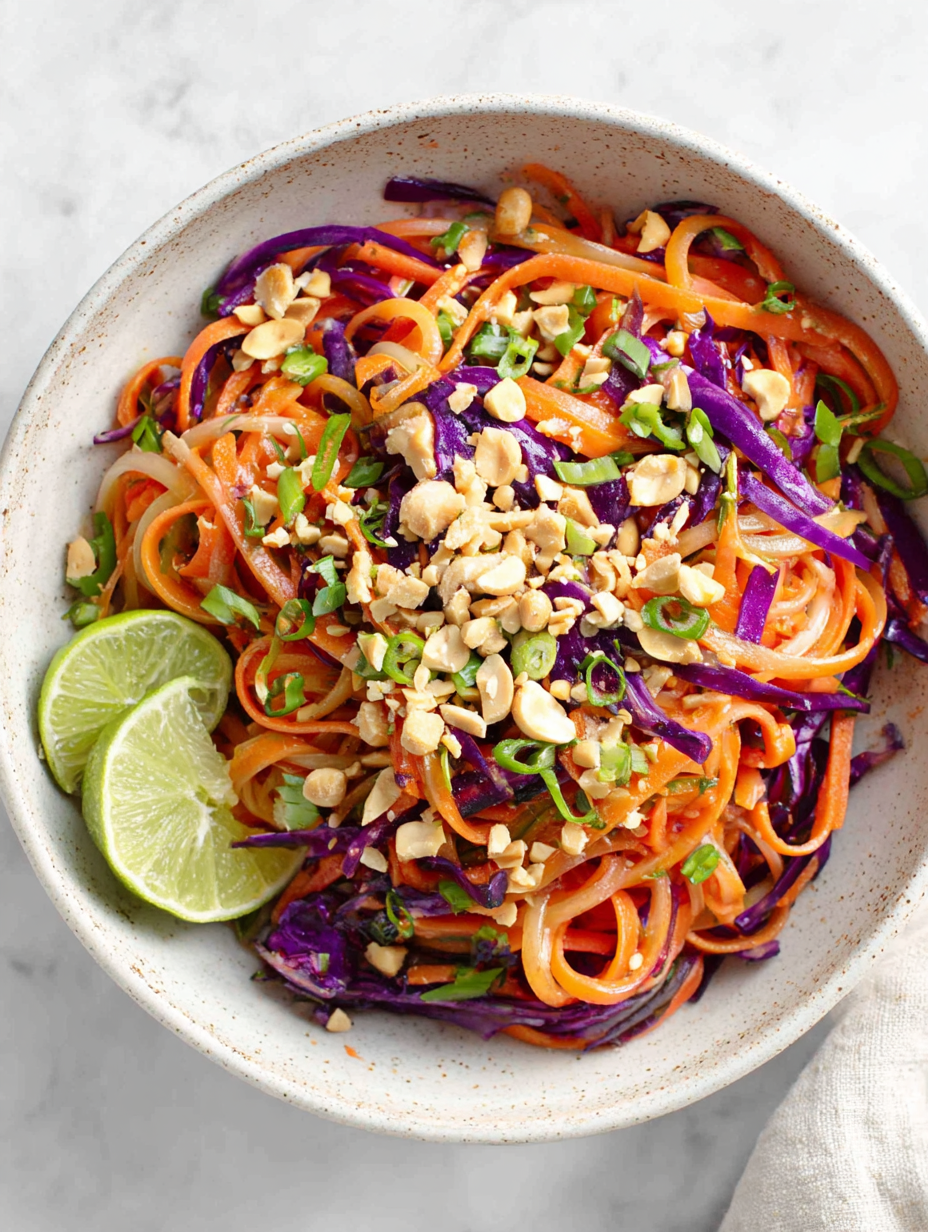
Root Vegetable Pad Thai
Ingredients
Equipment
Method
- Gather your wok or large skillet and heat it over medium-high heat until it shimmers with heat.
- Add 1 tablespoon of oil and swirl to coat the bottom of the pan. When the oil is hot and fragrant, add the minced garlic and grated ginger, cooking for about 30 seconds until they become fragrant and slightly golden.
- Toss in the sliced carrots and bell pepper, stir-frying for about 3 minutes until the vegetables are vibrant, slightly caramelized, and just tender with a bit of crunch remaining.
- Push the vegetables to one side of the pan, then add the drained rice noodles to the empty side, and pour in the sauce mixture made from fish sauce (or soy), tamarind paste, and sugar. Toss everything together quickly, cooking for another 2 minutes until the noodles are glossy and coated with the sauce.
- Once everything is well combined and heated through, remove the wok from the heat. Taste and adjust with a squeeze of lime or additional soy sauce if needed for balance.
- Serve the Pad Thai hot, garnished with chopped scallions, crushed toasted peanuts, and lime wedges on the side for an extra burst of flavor and crunch.
Notes
Pro tips for Vegetable Pad Thai
- High heat: Preheat your wok until it shimmers—about 200°C/392°F—to get that quick, stir-fry sizzle.
- Noodle texture: Cook just until tender—around 4-5 minutes—then rinse with cold water to stop the cooking and prevent mushiness.
- Vegetable crunch: Slice vegetables thinly for quick, even cooking; aim for vibrant color and slight crispness.
- Sauce consistency: Mix ingredients until sugar dissolves completely; it should be glossy and cling to everything.
- Toasting nuts: Toast peanuts or cashews until fragrant and crackling—this enhances flavor and adds a satisfying crunch.
- Timing addition: Add noodles last, tossing quickly for a shiny, well-coated finish, about 2 minutes—look for a lively aroma and slight sheen.
- Garnish swiftly: Finish with fresh lime, chopped scallions, and peanuts immediately after tossing—serve hot for maximum flavor burst.
Common mistakes and how to fix them
- FORGOT to drain noodles → Drain thoroughly to prevent sogginess.
- DUMPED too much oil → Use just enough to lightly coat the pan, prevent greasiness.
- OVER-TORCHED vegetables → Remove from heat immediately to keep vibrant color and crunch.
- MISSED seasoning balance → Taste and adjust lime, soy, or sugar before serving.
Quick fixes and pantry swaps
- If noodles stick, splash hot water to loosen and prevent clumping.
- When vegetables are overcooked, quickly add a splash of cold water to halt cooking.
- DUMPED too much oil? Patch with a paper towel to absorb excess and balance flavor.
- When sauce is too thick, stir in a teaspoon of water or lime juice until glossy and smooth.
- Splash a little soy sauce or fish sauce if dish lacks umami, restoring depth and richness.
Prep, store, and reheat tips
- Prep vegetables: Slice carrots, bell peppers, and scallions a day ahead; store in airtight container in the fridge for up to 24 hours. They stay crisp and fresh, just keep them dry to avoid sogginess.
- Cook noodles ahead: Boil and rinse rice noodles, then toss with a little oil to prevent sticking. Store in a sealed container for up to 2 days in the fridge. Reheat briefly in hot water to restore softness, watching for gooey texture.
- Make sauce in advance: Mix all sauce ingredients and keep in a jar in the fridge for up to 3 days. The flavors will meld and intensify, making it easier to toss together when ready.
- Reheating tips: Gently reheat in a hot skillet or wok over medium heat, stirring often. Add a splash of water or lime juice to loosen and bring back some freshness. Expect the noodles to absorb flavors and become slightly softer.
- Shelf life: The assembled dish is best enjoyed fresh, but leftovers stored in an airtight container in the fridge will keep for up to 24 hours. The texture may soften, so reheat with care for the best sensory experience.
Top questions about Vegetable Pad Thai
1. Can I use different protein instead of tofu?
Use firm or extra-firm tofu, pressed to remove moisture. It crisps nicely and absorbs flavors well.
2. What protein options work best for this dish?
Yes, you can swap in tempeh or even cooked shrimp for variety. Just cook until heated through.
3. Can I make this dish gluten-free?
Absolutely. Just reduce the cooking time slightly, and add a splash of water or oil to loosen the noodles.
4. How do I adapt this recipe for gluten intolerance?
Use tamari or coconut aminos instead of soy sauce or fish sauce for gluten-free options.
5. How do I balance the flavors if it tastes dull?
Adjust the amount of lime and sugar to balance flavors. Taste as you go for brightness and sweetness.
6. Can I replace rice noodles with veggie noodles?
Yes, you can use zucchini noodles or spiralized vegetables for a lower carb version.
7. How do I make it spicier?
Add extra lime juice or a dash of chili flakes at the end to boost freshness and spice.
8. How do I prevent vegetables from overcooking?
Cook the vegetables until just tender and vibrant, about 3 minutes, for the best crunch and color.
9. How long can I keep leftovers?
Store leftovers in an airtight container in the fridge for up to 24 hours. Reheat gently to avoid sogginess.
10. How do I reheat without losing texture?
Use a hot skillet or wok, and reheat with a splash of water or lime juice for best texture and flavor.
Cooking this Vegetable Pad Thai feels like reclaiming a street-food classic with a seasonal twist. The earthy root vegetables bring a cozy, grounding flavor that’s perfect for chilly nights or just when you need something honest and satisfying. It’s a reminder that even simple ingredients can surprise you when handled with care and a little bit of love.
Whenever I make this dish, I’m struck by how adaptable it is—whatever roots or vegetables I have on hand, it still turns out bright, textured, and deeply flavorful. It’s a reminder that good food doesn’t have to be complicated, just honest and tailored to what’s in your fridge. That’s what keeps me coming back to this recipe, season after season.

Hi there! I’m Himani and welcome to Val’s Recipe Box. This little corner of the internet didn’t begin with me. It began with Val my neighbourhood aunt whose kitchen held more warmth than any fireplace ever could.


 This little corner of the internet didn’t begin with me.
It began with Val my neighbourhood aunt whose kitchen held more warmth than any fireplace ever could.
She was more of a friend and I’ve come to know her in the most unexpected way.
This little corner of the internet didn’t begin with me.
It began with Val my neighbourhood aunt whose kitchen held more warmth than any fireplace ever could.
She was more of a friend and I’ve come to know her in the most unexpected way.