
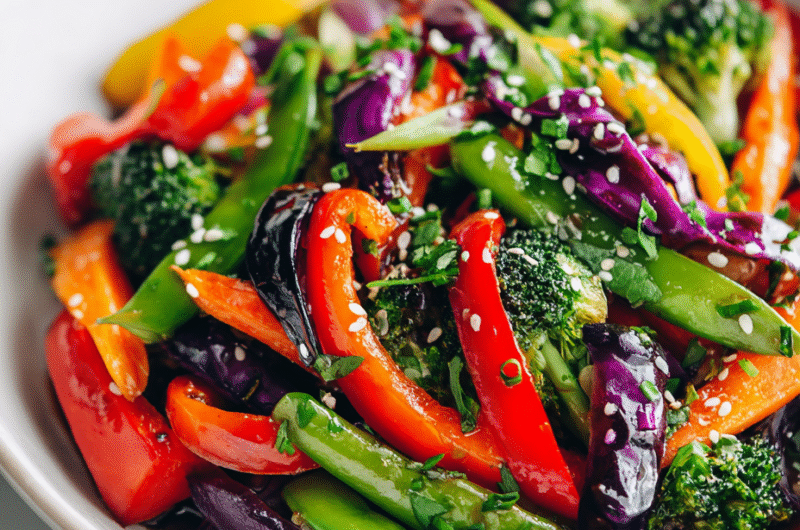
When I first started paying attention to stir-fry sauces, everything changed. It’s not just about tossing veggies in soy and calling it a day. The sauce is the backbone, balancing tartness, sweetness, and umami in a way that makes each bite memorable. It’s surprisingly simple, but getting that harmony right feels like a little victory every time.
Honestly, I used to think stir-fries were quick throw-togethers, but now I see them as a chance to really elevate humble vegetables. When that sauce hits the pan and mingles with the sizzling garlic and ginger, it’s like an instant flavor explosion. It’s a dish that reminds me to slow down, taste, and appreciate the small, bright moments in a busy kitchen.
Focusing on the overlooked importance of the stir-fry sauce, this recipe emphasizes how the right balance of acidity, sweetness, and umami can transform simple vegetables into a memorable dish. It’s about the magic of a well-made sauce that ties everything together, making even the humblest ingredients shine.
The secret to vibrant stir-fries
- This dish reminds me of summer nights spent chopping and laughing with friends, the smell of garlic and soy filling the air.
- There’s a quiet pride in turning a handful of everyday vegetables into something bright and flavorful, like capturing a fleeting moment of freshness.
- I used to think stir-fries were just quick fixes, but now I see them as a chance to experiment with textures and bold sauces, even on a busy weeknight.
- Nothing beats that satisfying crackle when everything hits the pan just right, making each bite a little celebration of simple ingredients.
The story behind this recipe
- This stir-fry came out of a desperate need to use up a fridge full of random vegetables before they went slimy. I remember standing at the stove, smelling the garlic and watching the colorful medley soften, thinking how simple ingredients can turn into something comforting. It’s a dish I keep coming back to, especially when I want honest flavors without fuss.
- Years ago, I watched my grandmother make her version with just soy, garlic, and whatever was in her garden. That memory of her tossing everything in a hot pan, her hands quick and sure, stuck with me. Now, I tweak her basic idea with a splash of sesame oil and a dash of rice vinegar, but the soul remains the same—quick, vibrant, unpretentious.
- heading:
Stir-Fry’s Cultural Journey
- Vegetable stir-fries have roots in Chinese cuisine, dating back over a thousand years, where quick, high-heat cooking preserved freshness.
- The concept of stir-frying spread globally in the 20th century, adapting local vegetables and flavors into quick, versatile meals.
- In many Asian cultures, stir-fries aren’t just quick dinners but a way to showcase seasonal produce and balance flavors with minimal fuss.
Ingredient breakdown: key components
- Bell peppers: I love the crunch and sweetness they bring, especially when they turn slightly charred and smoky, so keep the heat high and don’t overcrowd the pan.
- Broccoli florets: They should be bright green and crisp-tender; I often blanch them first for even cooking and to keep that lively color.
- Garlic: It’s the aromatic backbone—when it hits hot oil, it should sizzle loudly and release a fragrant, nutty aroma almost immediately.
- Soy sauce: I prefer a dark, rich variety; it gives the dish that savory, umami depth. Adjust the amount if you want it saltier or milder.
- Sesame oil: Just a dash at the end adds a toasty, nutty note that lifts the entire stir-fry—don’t go overboard, it’s potent.
- Carrots: Thinly sliced or julienned, they should be tender but still have a slight bite, adding a sweet crunch that contrasts the softer veggies.
- Ginger: Fresh and pungent, it should be grated finely so it disperses evenly, giving an invigorating zing with every bite.
Spotlight on key ingredients
Bell peppers:
- I love their sweet, juicy crunch, especially when charred slightly for smoky depth. Keep the heat high and avoid overcrowding the pan.
- Broccoli: It should stay bright green and crisp-tender. I often blanch before stir-frying to lock in color and texture, which gives a satisfying bite and vibrant look.
Garlic & Ginger:
- Garlic: When it hits hot oil, it crackles loudly and releases a fragrant, nutty aroma almost instantly, a sure sign it’s ready to mingle with the other ingredients.
- Ginger: It’s pungent and fiery—finely grated so it disperses evenly, giving each bite a zesty kick and a fresh, invigorating aroma that wakes up the dish.
Notes for ingredient swaps
- Dairy-Free: Swap soy sauce for coconut aminos, which keeps the umami but adds a slightly sweeter, milder flavor.
- Gluten-Free: Use tamari instead of soy sauce to keep the dish gluten-free without sacrificing depth.
- Vegan: Replace honey with maple syrup or agave nectar for a plant-based sweetness and gloss.
- Nutty Flavor: Add a sprinkle of toasted sesame seeds if you want a more pronounced nuttiness or skip for a smoother sauce.
- Vegetables: Use zucchini or snap peas instead of bell peppers for a different crunch and freshness, especially in spring.
- Oil: Substitute with toasted sesame oil for a stronger aroma or avocado oil for a neutral, high-smoke point option.
- Heat & Spice: Incorporate a pinch of chili flakes or sriracha if you like a spicy kick—start small and taste as you go.
Equipment & Tools
- Wok or deep skillet: High heat cooking and quick stir-frying
- Spatula: Constant stirring and tossing vegetables
- Small bowl: Mixing stir-fry sauce
- Sharp knife: Precise vegetable chopping
Step-by-step guide to stir-frying
- Gather your equipment: a large wok or deep skillet, a spatula, a small bowl for sauce, and a sharp knife. Heat your pan over high heat, aiming for around 220°C (430°F).
- Prep your vegetables: slice bell peppers into strips, chop broccoli into small florets, julienne carrots, mince garlic and ginger finely. Keep everything close by for quick assembly.
- Start with oil: add 1-2 tbsp of neutral oil like vegetable or canola. Swirl it around, then add garlic and ginger. Cook until fragrant, about 30 seconds—smell should be nutty and bright.
- Add the hardest vegetables first: broccoli and carrots. Cook, stirring constantly, until they start to soften and take on a slight char, about 2-3 minutes. If sticking, add a splash of water to steam slightly.
- Next, toss in bell peppers. Keep stirring, cook until peppers are just tender but still vibrant, about 2 minutes. They should crackle and release a sweet aroma.
- Pour your stir-fry sauce over the veggies: a mix of soy sauce, rice vinegar, a touch of honey, and sesame oil. Stir quickly to coat everything evenly. Watch for a glossy sheen and fragrant steam.
- Cook for another minute: everything should be heated through, veggies tender but still crisp, and the sauce thickened slightly. If too watery, raise heat to evaporate excess moisture.
- Finish with a drizzle of sesame oil and a sprinkle of chopped scallions. Toss once more, then remove from heat. Rest for 1 minute, allowing flavors to settle.
- Serve hot: over steamed rice or noodles. The veggies should be vibrant, slightly crisp, and coated in a fragrant, savory sauce. The aroma at this point is bright and satisfying.
Rest the stir-fry for 1 minute off the heat. Plate over rice or noodles immediately, garnishing with scallions or sesame seeds if desired. Serve while hot, the sauce should cling to every piece of vegetable.
How to Know It’s Done
- Veggies are tender but still have a slight crunch and vibrant color.
- Sauce is glossy and coats the vegetables evenly without pooling.
- A fragrant aroma of garlic, ginger, and soy fills the air, with a hint of nuttiness from sesame oil.
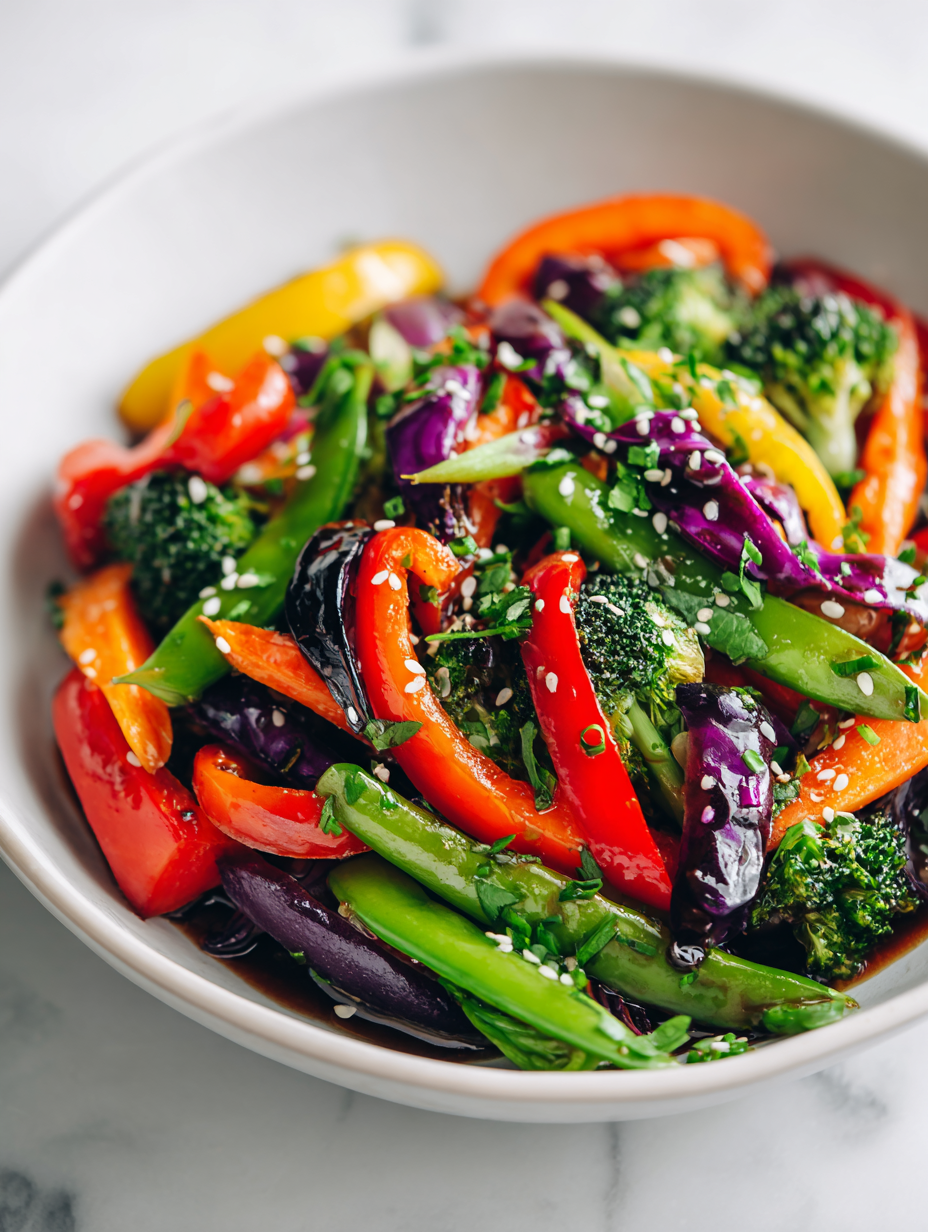
Vibrant Vegetable Stir-Fry with Balanced Sauce
Ingredients
Equipment
Method
- Start by heating your wok or deep skillet over high heat until it’s shimmering hot. Add 1-2 tablespoons of neutral oil and swirl to coat the surface.
- Add the minced garlic and grated ginger to the hot oil. Sizzle loudly, releasing a fragrant, nutty aroma as they turn slightly golden around the edges, about 30 seconds.
- Quickly toss in the broccoli florets and julienned carrots. Stir constantly as they start to soften and develop a slight char, about 2-3 minutes. You should hear a gentle crackle and see the vegetables brighten in color.
- Add the sliced bell peppers and continue stirring. Cook until peppers are tender but still vibrant, about 2 minutes. The mixture should be fragrant and glossy.
- Mix together soy sauce, rice vinegar, honey, and a teaspoon of sesame oil in a small bowl. Pour this sauce over the vegetables and stir quickly to coat everything evenly, creating a shiny, flavorful glaze.
- Cook for another minute, allowing the sauce to thicken slightly and cling to the vegetables. The vegetables should remain crisp-tender and vibrant in color.
- Remove from heat and drizzle with an extra splash of sesame oil. Toss once more, then transfer to a serving dish.
- Garnish with chopped scallions or sesame seeds if desired, and serve immediately over steamed rice or noodles for a complete, vibrant meal.
Quick Tips for Perfect Stir-Fry
- Use high heat to quickly sear vegetables, locking in color and crunch.
- Keep ingredients near the stove for swift tossing and even cooking.
- Add sauce at the end to prevent burning and maintain vibrant flavors.
- Stir constantly when cooking garlic and ginger to prevent burning and develop aroma.
- Test vegetable doneness by color and texture—should be crisp-tender and bright.
- Finish with a splash of sesame oil for a toasty aroma and rich flavor.
Common stir-fry mistakes and how to fix them
- FORGOT to heat the pan properly → preheat over high heat until shimmering before adding oil.
- DUMPED too much sauce → add gradually, tasting and adjusting for balance and coating.
- OVER-TORCHED vegetables → stir constantly and reduce heat if veggies start to burn or turn black.
- MISSED the stir-fry’s finishing touch → a quick drizzle of sesame oil at the end enhances aroma and flavor.
Quick fixes and pantry swaps
- When veggies release excess moisture, splash a little more oil to shimmer and prevent steaming.
- If sauce thickens too much, add a splash of water or broth to loosen it up quickly.
- DUMPED too much soy? Stir in a dash of rice vinegar or lime juice for balance and brightness.
- Splash a few drops of sesame oil at the end for a fragrant, toasty aroma that elevates the dish.
- Patch overcooked vegetables by tossing them with fresh, crunchy raw herbs or scallions for contrast.
Prep, store, and reheat tips
- Prep vegetables: slice peppers, chop broccoli and carrots a day ahead; keep in airtight containers in the fridge, where they stay crisp and fresh for up to 24 hours. Expect bright colors and a satisfying crunch when cooked.
- Mix your stir-fry sauce in advance: combine soy, vinegar, honey, and sesame oil, then store in a jar for up to 3 days. The flavors meld and deepen overnight, making the final stir-fry more cohesive.
- Store cooked veggies separately: if you make the stir-fry ahead, keep the vegetables and sauce separate to prevent sogginess. Reheat in a hot pan to restore crispness, with a slight aroma of garlic and sesame.
- Reheat with care: warm in a skillet over medium-high heat, about 2-3 minutes, until sizzling and fragrant. The vegetables should re-crackle, and the sauce should shimmer and coat again beautifully.
Top questions about vegetable stir fry
1. What oil is best for stir-frying veggies?
Use a high-smoke point oil like canola or vegetable oil to prevent burning at high heat, ensuring veggies sear quickly and stay crisp.
2. How should I prepare vegetables for even cooking?
Cut vegetables into uniform sizes to cook evenly. For example, julienne carrots and chop broccoli into small florets for quicker, consistent cooking.
3. In what order should I add vegetables to the pan?
Cook harder vegetables like carrots and broccoli first, then add softer ones like peppers later to prevent overcooking softer veggies.
4. What kind of pan is ideal for stir-frying?
Use a wok or large skillet over high heat to get that quick sear and vibrant color on your veggies without steaming them.
5. How do I balance the flavors in the stir-fry sauce?
Adjust soy sauce and vinegar to balance flavor—more soy for saltiness, more vinegar for brightness. Taste as you go.
6. When should I add sesame oil?
Finish with sesame oil for a toasty aroma, adding it at the end to preserve its flavor and give the dish a fragrant finish.
7. How do I know when the stir-fry is ready?
Stir-fry is best served immediately while veggies are crisp, and the sauce is glossy and coating each piece evenly.
8. How should I reheat leftover stir-fry?
To reheat, do it quickly in a hot pan, stirring constantly, until the veggies shimmer and the sauce is heated through.
9. What if my stir-fry becomes watery?
If veggies release too much moisture, increase heat and add a splash more oil to get that crackle back.
10. How do I keep the vegetables vibrant and crisp?
Use fresh, colorful vegetables and high heat to achieve a lively, fragrant dish full of texture and vivid flavors.
This vegetable stir fry isn’t just a quick fix; it’s a reminder that simple ingredients, when treated right, can deliver complex, satisfying flavors. Each time I make it, I appreciate the balance of textures and the vibrant aroma that fills the kitchen. It’s a dish that encourages improvisation and honest cooking, especially when fresh produce is at its peak.
In a world that’s often rushed, this recipe offers a moment to slow down, taste, and enjoy the honest, unpolished beauty of vegetables brought to life with a well-made sauce. It’s unpretentious, adaptable, and always a comforting reminder that good food doesn’t need to be complicated.

Hi there! I’m Himani and welcome to Val’s Recipe Box. This little corner of the internet didn’t begin with me. It began with Val my neighbourhood aunt whose kitchen held more warmth than any fireplace ever could.


 This little corner of the internet didn’t begin with me.
It began with Val my neighbourhood aunt whose kitchen held more warmth than any fireplace ever could.
She was more of a friend and I’ve come to know her in the most unexpected way.
This little corner of the internet didn’t begin with me.
It began with Val my neighbourhood aunt whose kitchen held more warmth than any fireplace ever could.
She was more of a friend and I’ve come to know her in the most unexpected way.